MONTH IN REVIEW: August 2026
A roundup of this past month’s art and design news about the makers and creators from Greece and Cyprus
By: Sophia
Thousands of Cypriot Antiquities on Display in Stockholm
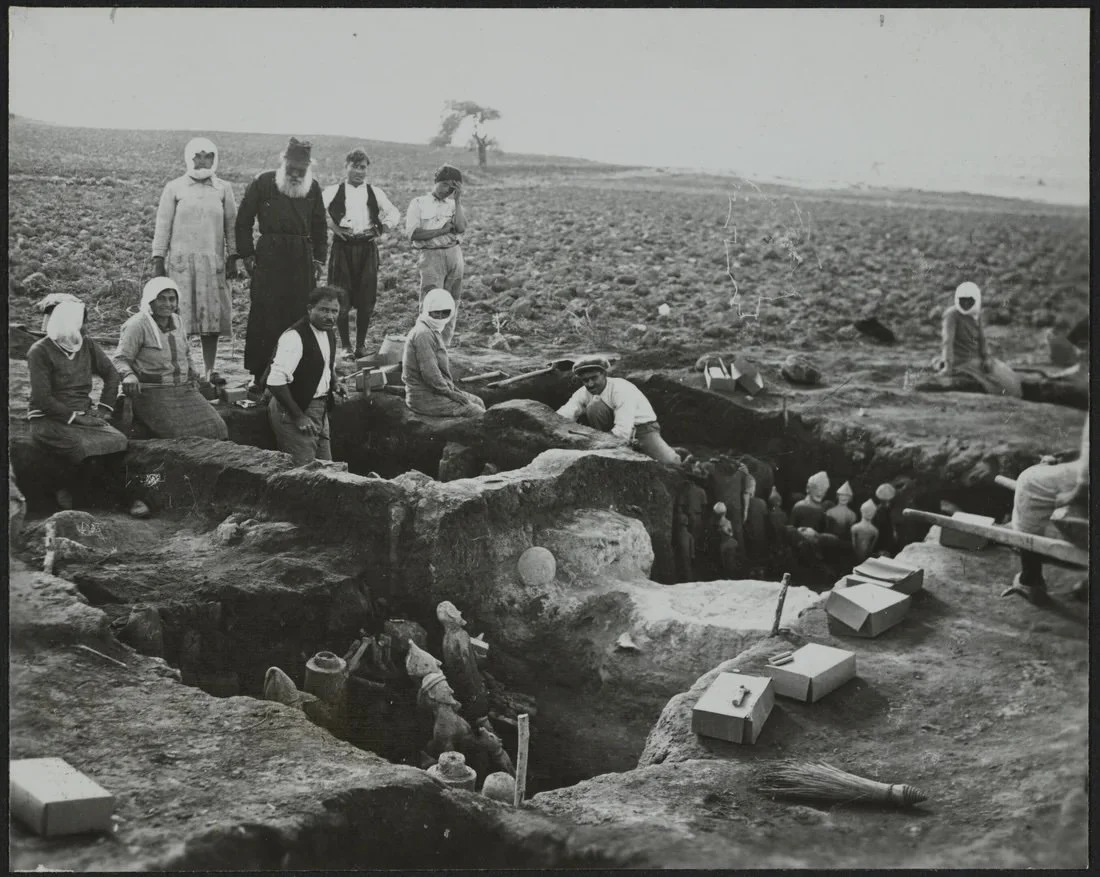
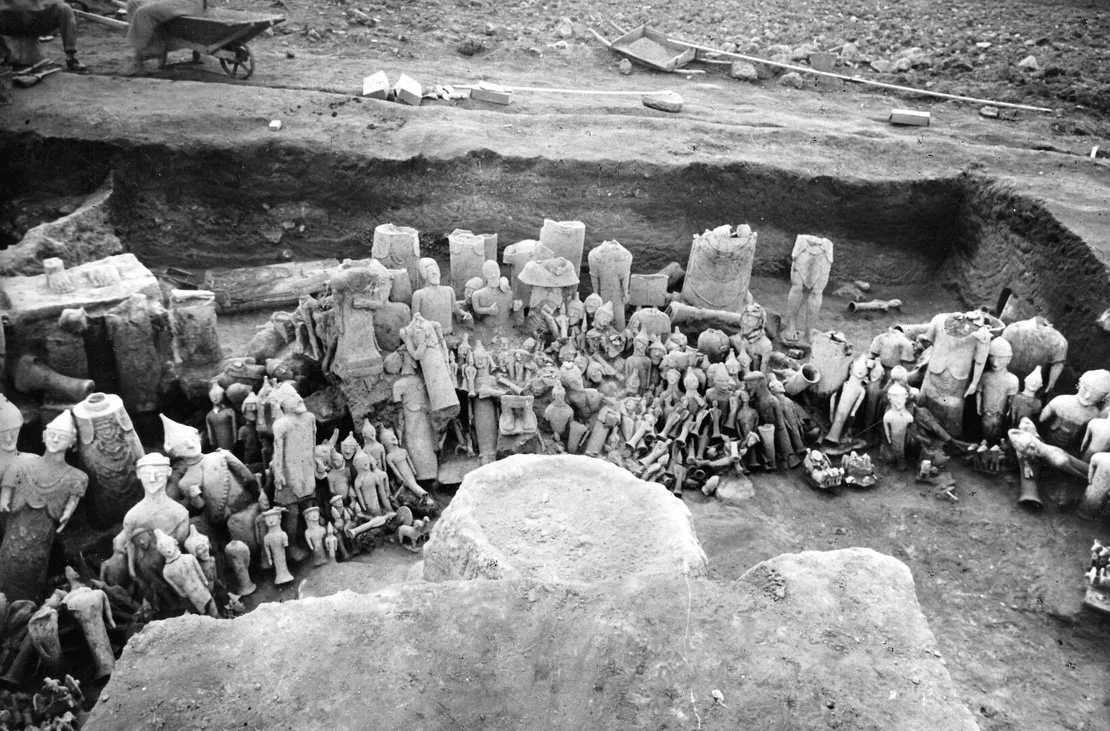
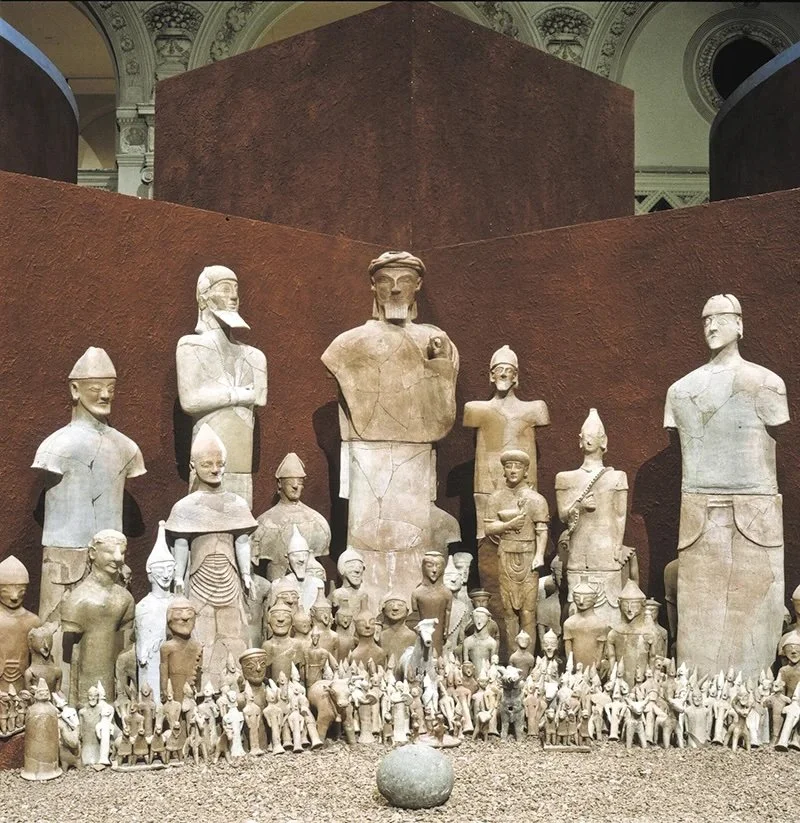
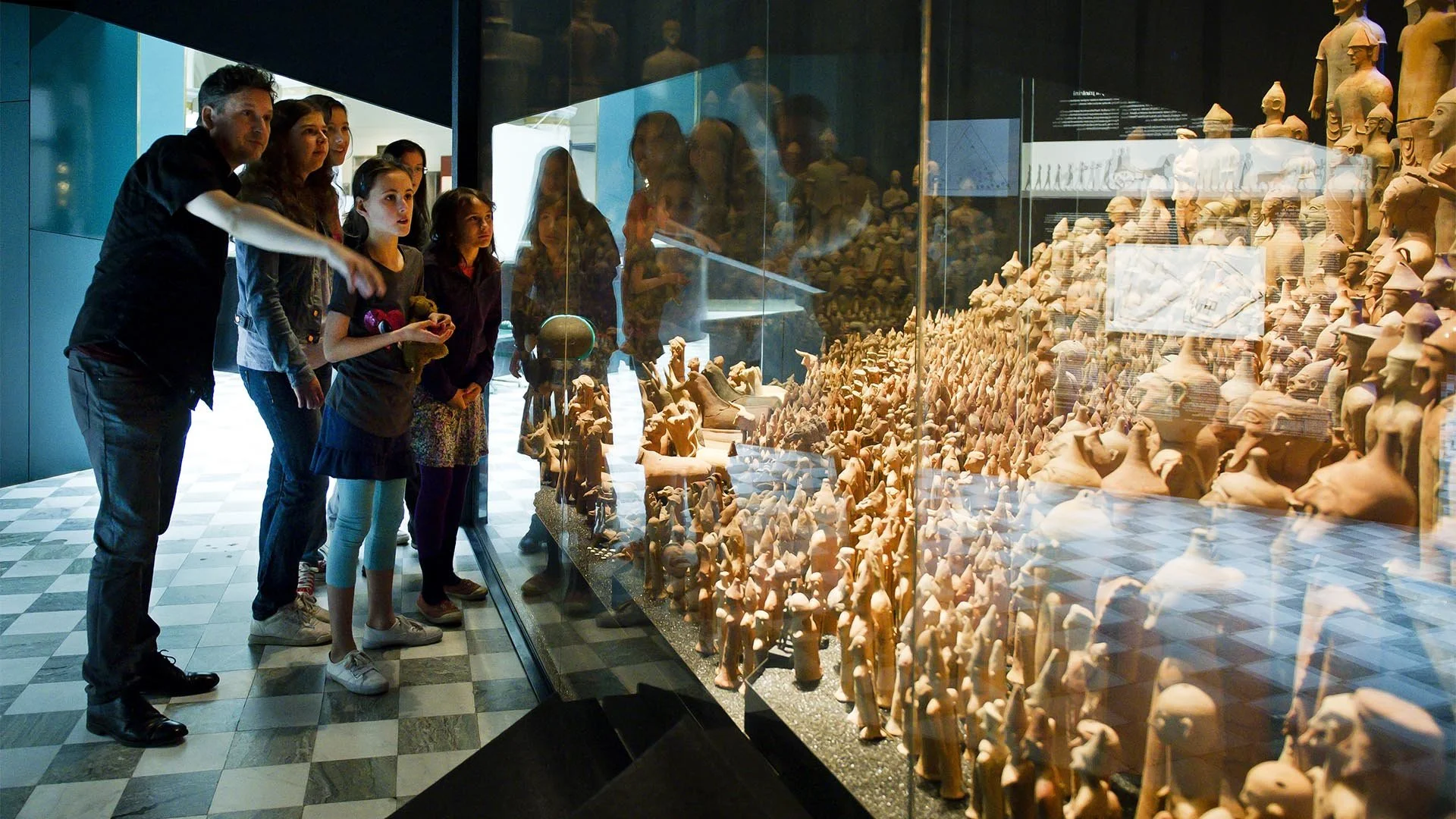
For centuries, Cyprus stood at the crossroads of the eastern Mediterranean, leaving behind a rich archaeological footprint shaped by many cultures. The Medelhavsmuseet’s exhibition, Cyprus – 7,000 Years of History, brought that legacy to Stockholm through over 1,500 ancient objects spanning from the Stone Age to Imperial Rome. Among them were hundreds of terracotta figures from the ancient sanctuary of Ayia Irini, excavated during the Swedish Cyprus Expedition of 1927–1931.
Behind the exhibition’s comprehensive collection lay a more complicated story. As the Cyprus Mail reported, roughly 1,500 artifacts from Ayia Irini were taken to Sweden during the colonial period, with only a fraction remaining in Cyprus. The terracotta findings became more than an archaeological discovery: it embodies a debate over ownership, colonial-era legacies, and the loss of cultural heritage.
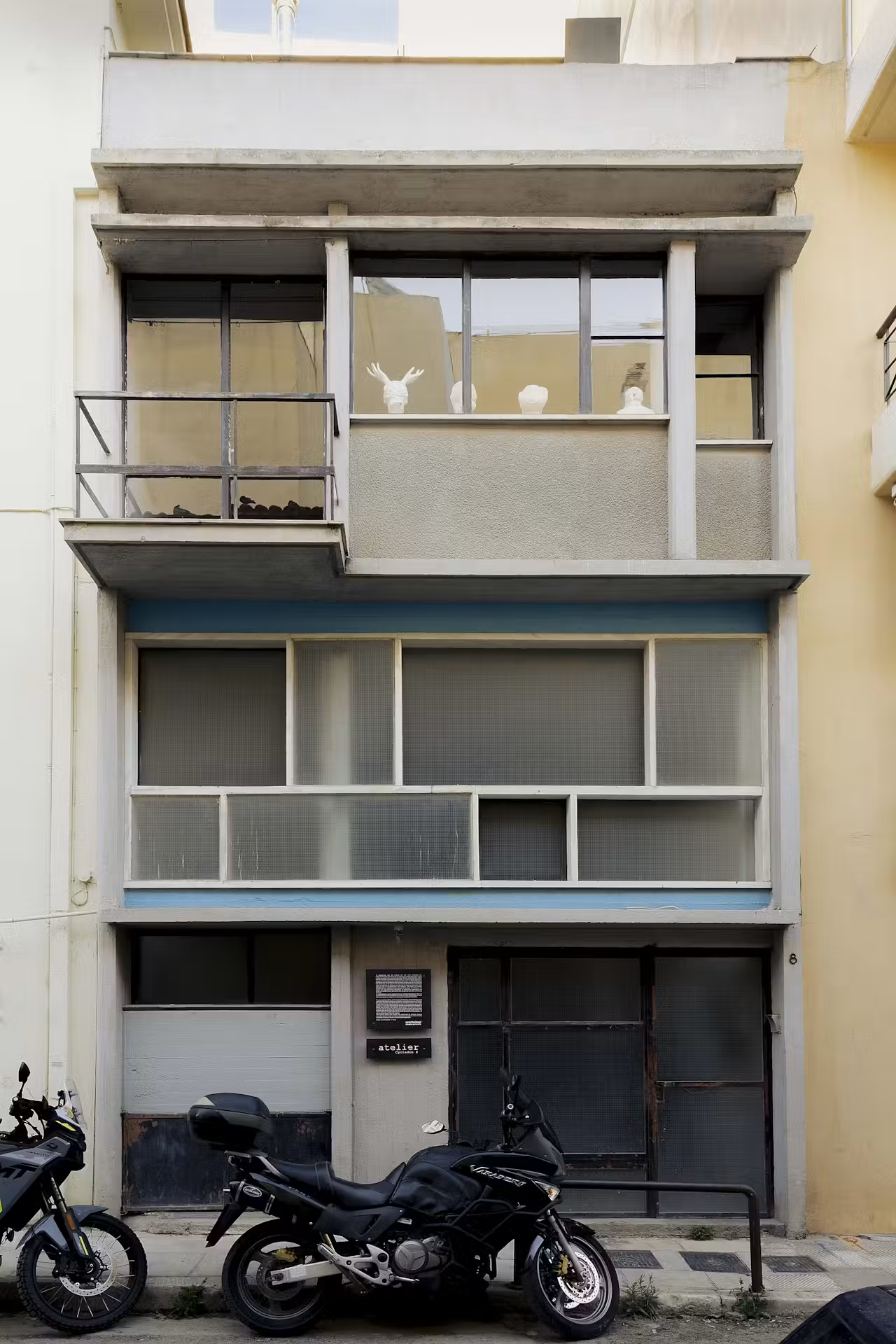
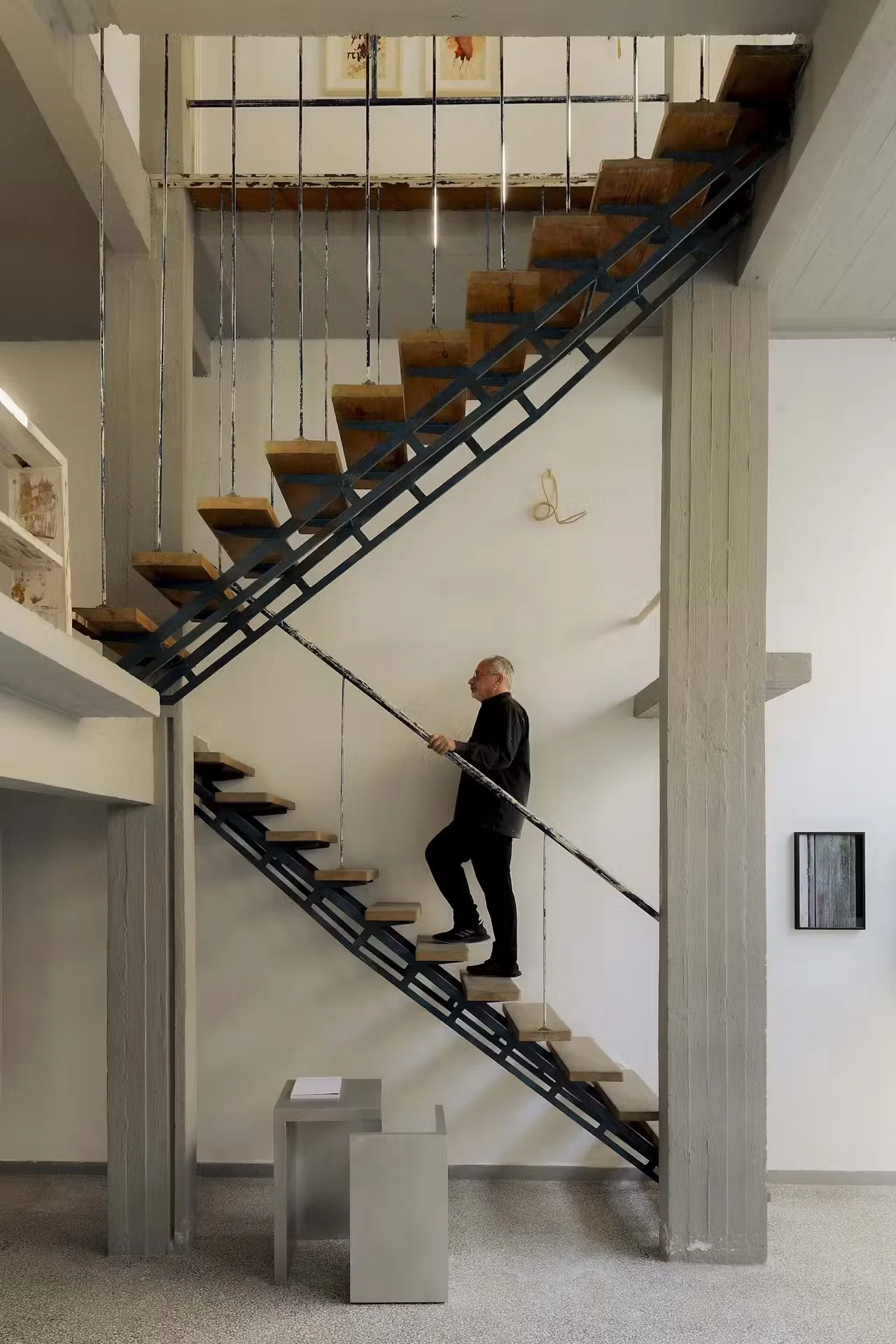
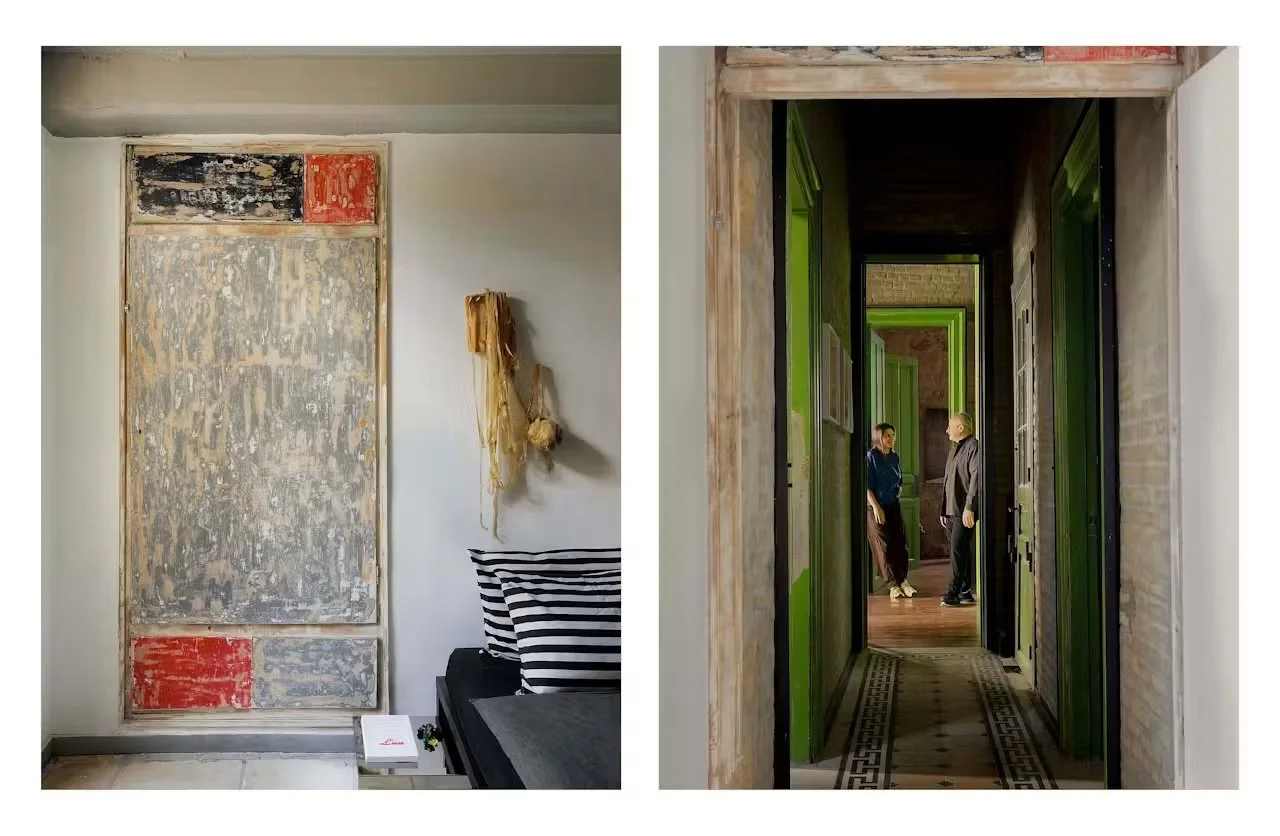
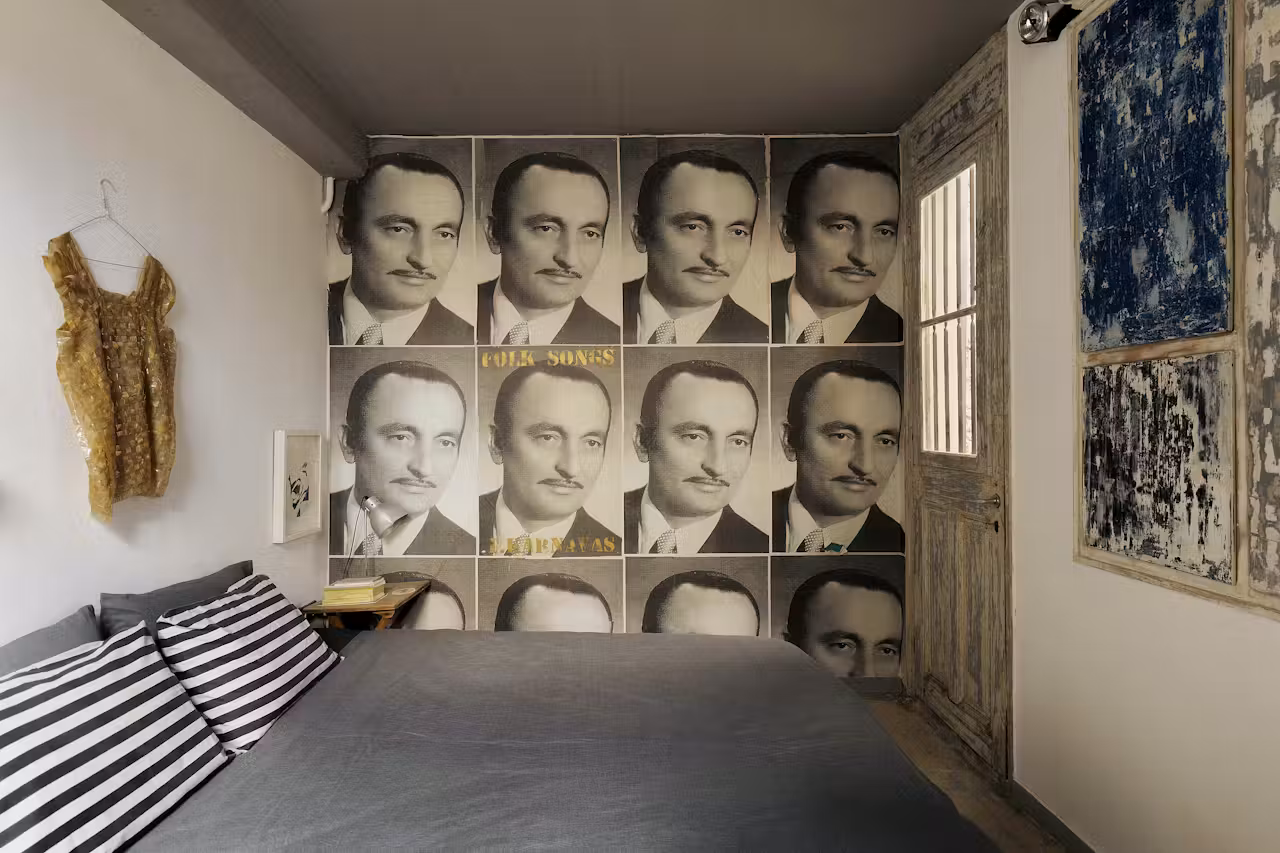
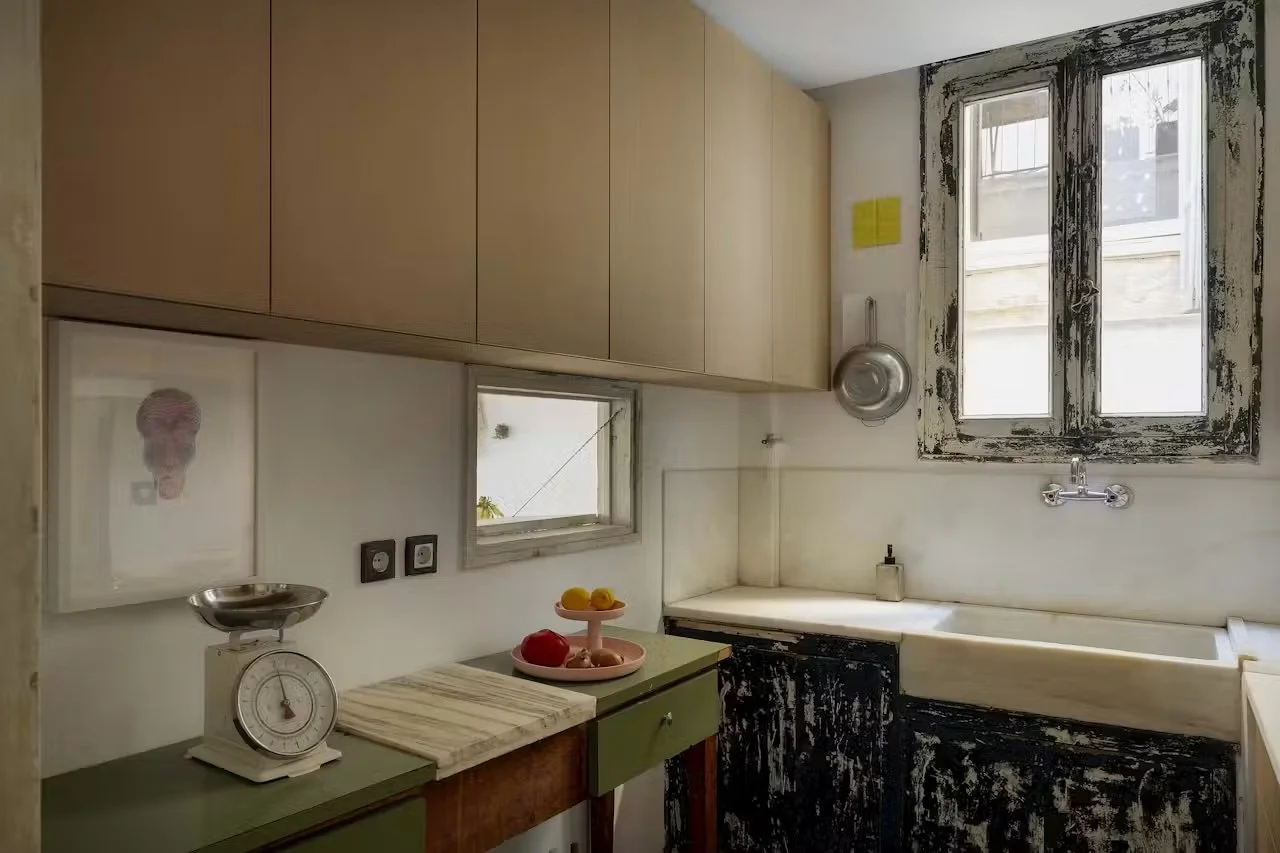
Athens architect Dionisis Sotovikis is known for designing residential, cultural, and commercial spaces that are Brutalist adjacent with subtle artistic details and finishes. He spoke to Dwell about his new home renovation located in the Kypseli neighborhood of Athens originally built by sculptor Ioanna Spiteris and the art critic Tonis Spiteris by Aristomenis Provelengios, a hero of Greek modernism who worked with Le Corbusier in the 1940s and 1950s. By the early 2000s the town house was in disrepair, but to Sotovikis, it was saveable. After he acquired the building from the Teloglion Foundation of Art who controlled the Spiteris estate and wanted to demolish it to create apartments, which included a lot of convincing, Sotovikis went ahead with his plans.
Sotovikis renovated the home with respect for its original materials, colors, and character. He also expanded the footprint after acquiring a neighboring apartment and basement space, where he created unexpected connections between the properties. One passageway repurposes what was once a built-in wardrobe and the other links the basement gallery to the house.
This space threads preservation and playfulness, resulting in a beautifully unique home that reflects Sotovikis’s ability to manifest architectural visions on his own terms.



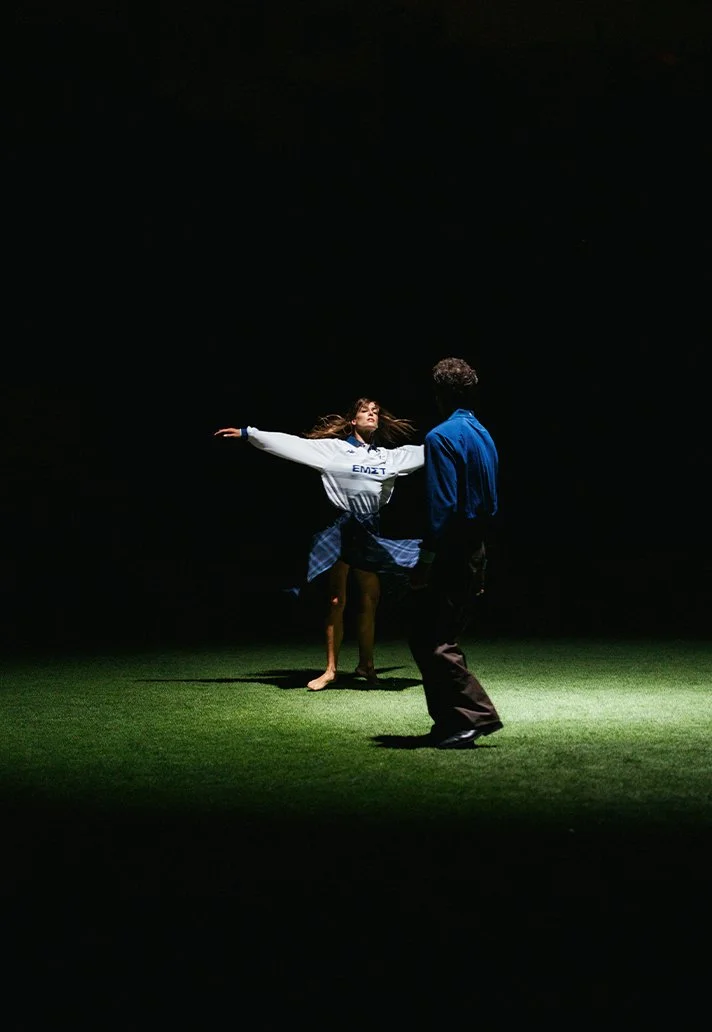
Kallithea FC Released a 16MM Dance Film for its New Season
For its 2026/27 season Athens Kallithea FC returned with new Kappa kits designed with Munich studio Bureau Borsche, following an unusual decision to skip an entire kit cycle and extend the life of its previous collection. The new shirts mark the club’s 60th anniversary with subtle references to its history, including five stars and patterns built around the number five.
The project extended well beyond the jerseys. With creative director Ted Philipakos at the forefront, Athens Kallithea built an identity rooted in the culture of its city, including an ongoing partnership with the National Museum of Contemporary Art Athens and a launch film featuring Greek dance and a 1963 ballad. The result is a club that sees football, art, fashion, and Athens itself as inextricably linked.
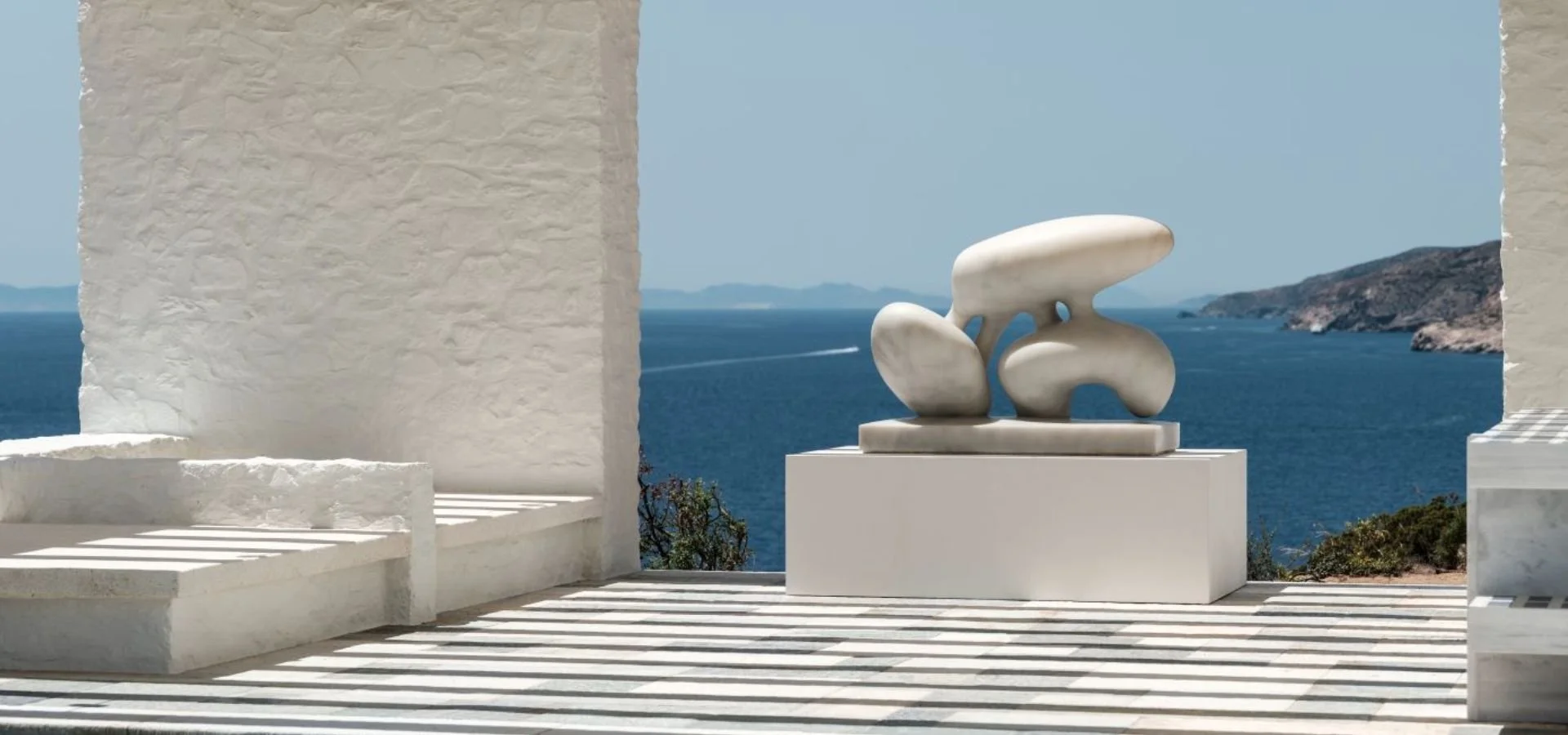
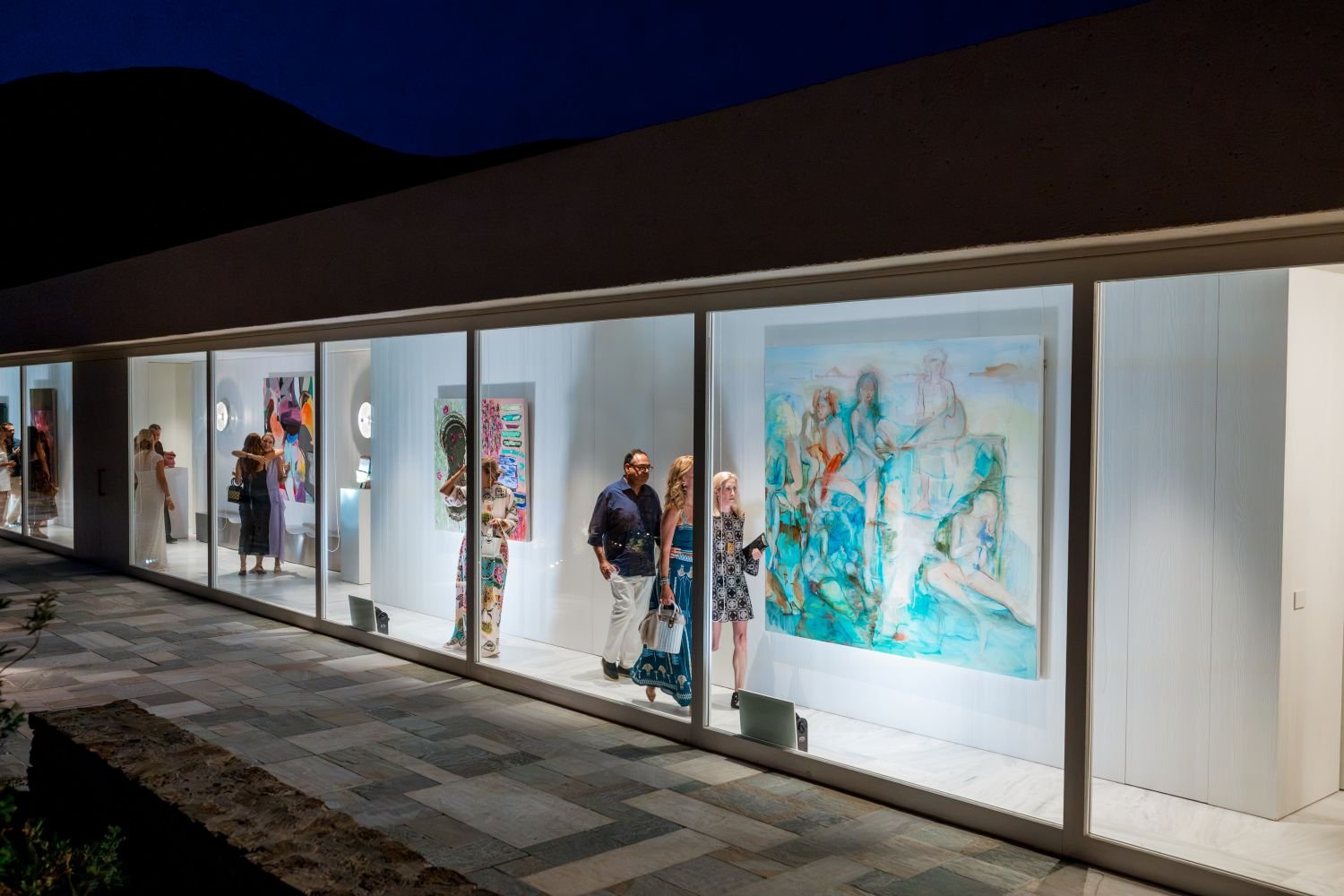
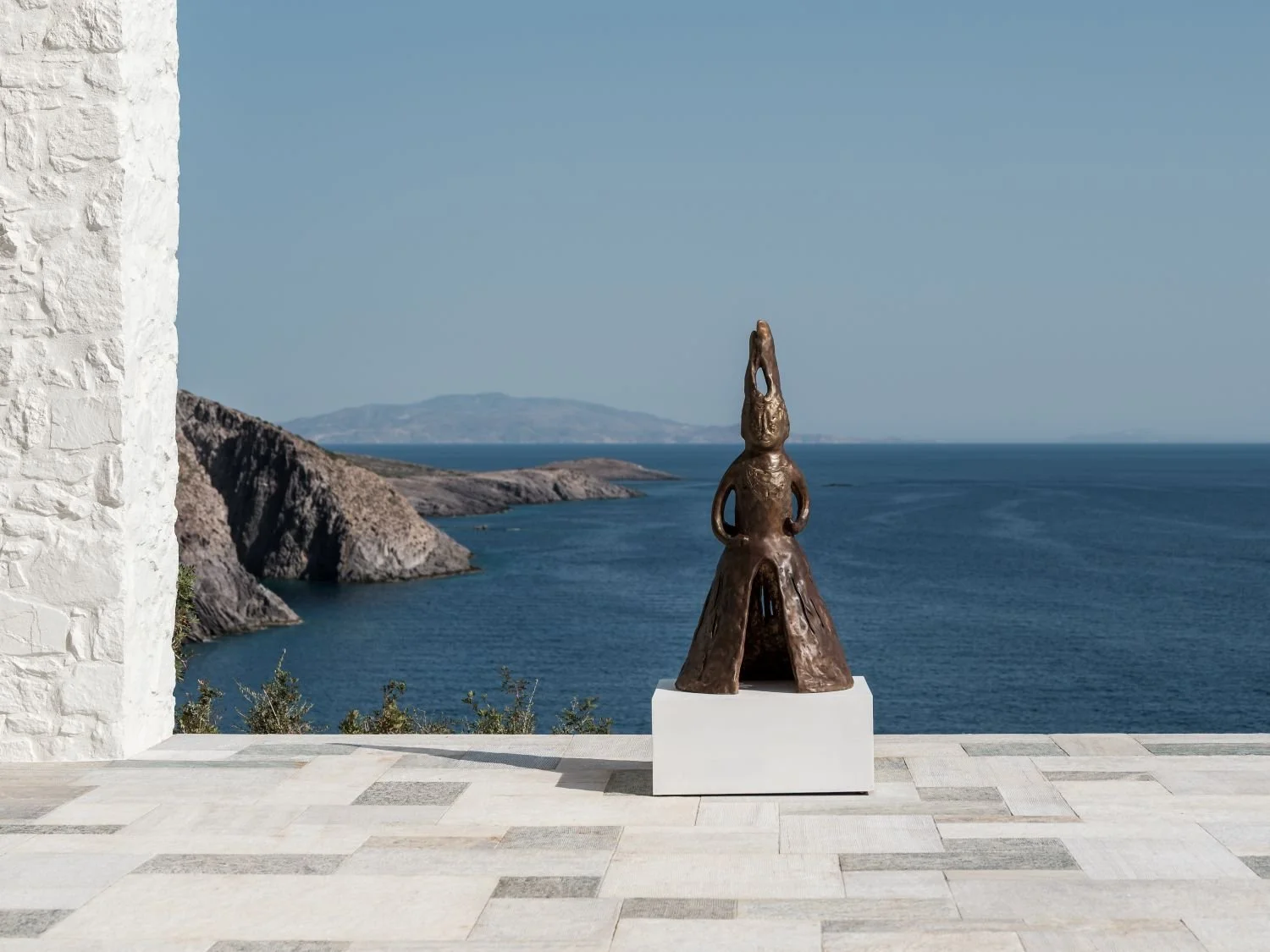
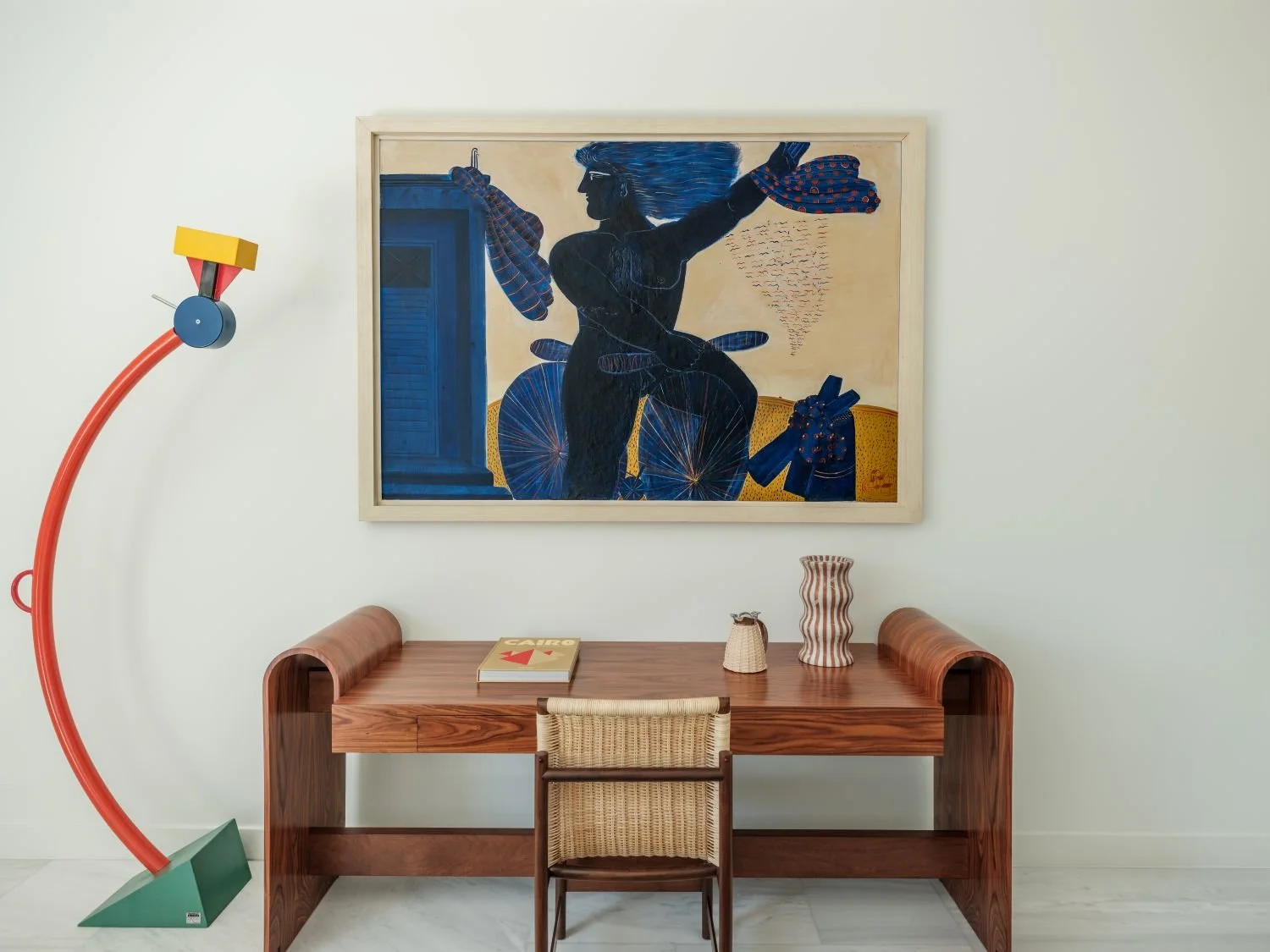
Global Facing Exhibition — “Melting Beauty” — Opened in Antiparos
On the Greek island of Antiparos, “Melting Beauty” brought together 16 artists to challenge a fixed vision of beauty. Curated by Craig Burnett and presented by L’Appartement, Geneva, the exhibition takes inspiration from Greek ideas of metamorphosis and Eros, as well as Friedrich Schiller’s 18th-century concept of “melting beauty,” a state in which perception shape shifts continuously.
The artists approached that malleability through painting and sculpture, exploring everything from the body and nature to identity, migration, and spirituality. Works by artists including Alekos Fassianos, Martha Jungwirth, Sean Scully, Yinka Shonibare, Kennedy Yanko, and Sally Gabori bring radically different cultural and artistic perspectives into conversation. Rather than offering a definitive vision of what beauty should be, the exhibition embraces contradiction and everlasting perceptual transformation.


The MET x Sabyasachi Byzantine Collection Launched
The Metropolitan Museum of Art (MET) and Indian luxury house Sabyasachi are turning the museum’s vast collection into a new source of contemporary fashion.
Their newly announced multi-year collaboration begins with a high-jewelry collection inspired by the Byzantine Empire, set to debut during New York Fashion Week this September. Drawing on objects and motifs from The Met’s Greek and Roman, Medieval, and Islamic art collections, Sabyasachi reimagines imperial medallions, religious iconography, and ancient stonework as modern jewels. Each piece is designed and handcrafted in India by Sabyasachi’s team of artisans, bringing the museum’s history into dialogue with the country’s living craft traditions.
For visionary Sabyasachi Mukherjee, the connection goes beyond aesthetics: he sees Byzantium as a crossroads shaped by cultural exchange between regions including India, drawing parallels with his hometown of Kolkata. This partnership is planned to expand into accessories and clothing, carving out space for ongoing conversations between antiquity, craftsmanship, and modern design.
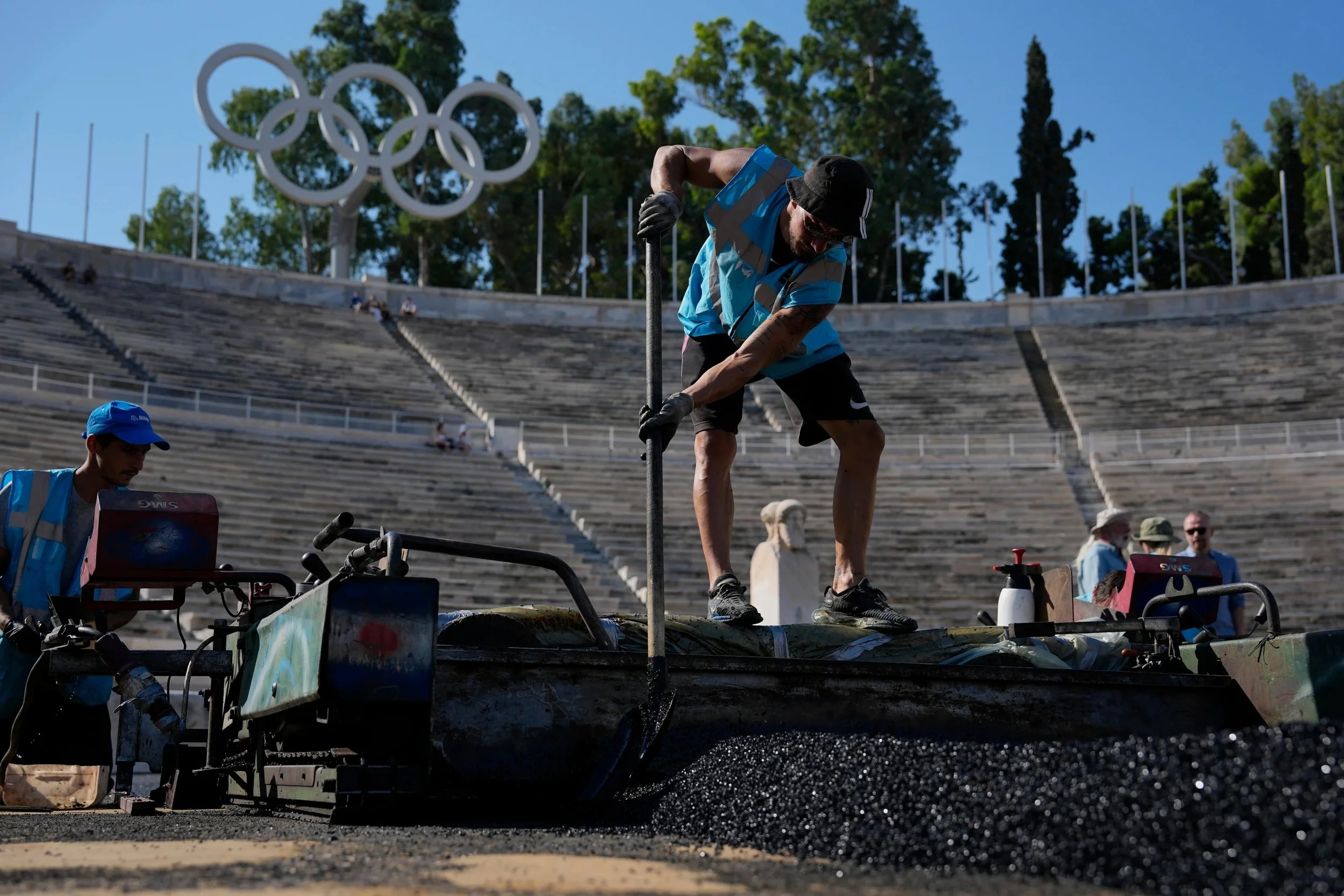
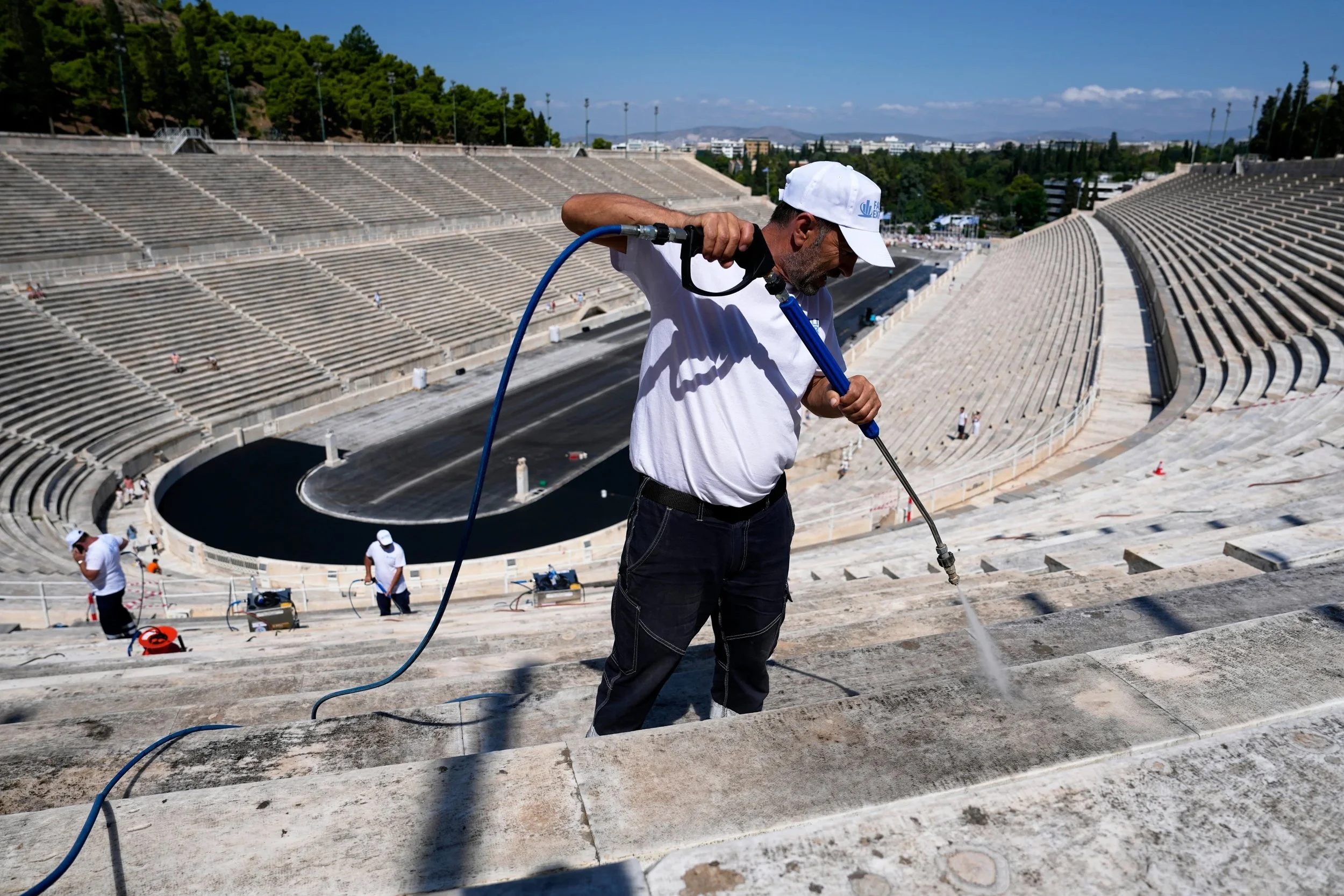
Greece Began Clean Up of its Panathenaic Stadium Clean Up
Athens’ iconic Panathenaic Stadium is getting a long-overdue makeover, with conservators undertaking its first systematic cleaning in more than a century. Known as Kallimarmaro, or “beautiful marble,” the stadium was rebuilt entirely in white marble for the first modern Olympic Games in 1896 and remains one of the most recognizable symbols of the modern Olympics.
The restoration goes beyond removing years of build-up on the 47 tiers of white marble. Workers are using carefully controlled low-pressure water and steam to clean the stone without damaging its surface. It also includes a new track, upgraded lighting, and improved support facilities, ahead of major Olympic ceremonies and the 2028 Los Angeles Games. As the conservation team restores the stadium to its former glory, we are reminded of its enduring role in Athens’ cultural history.
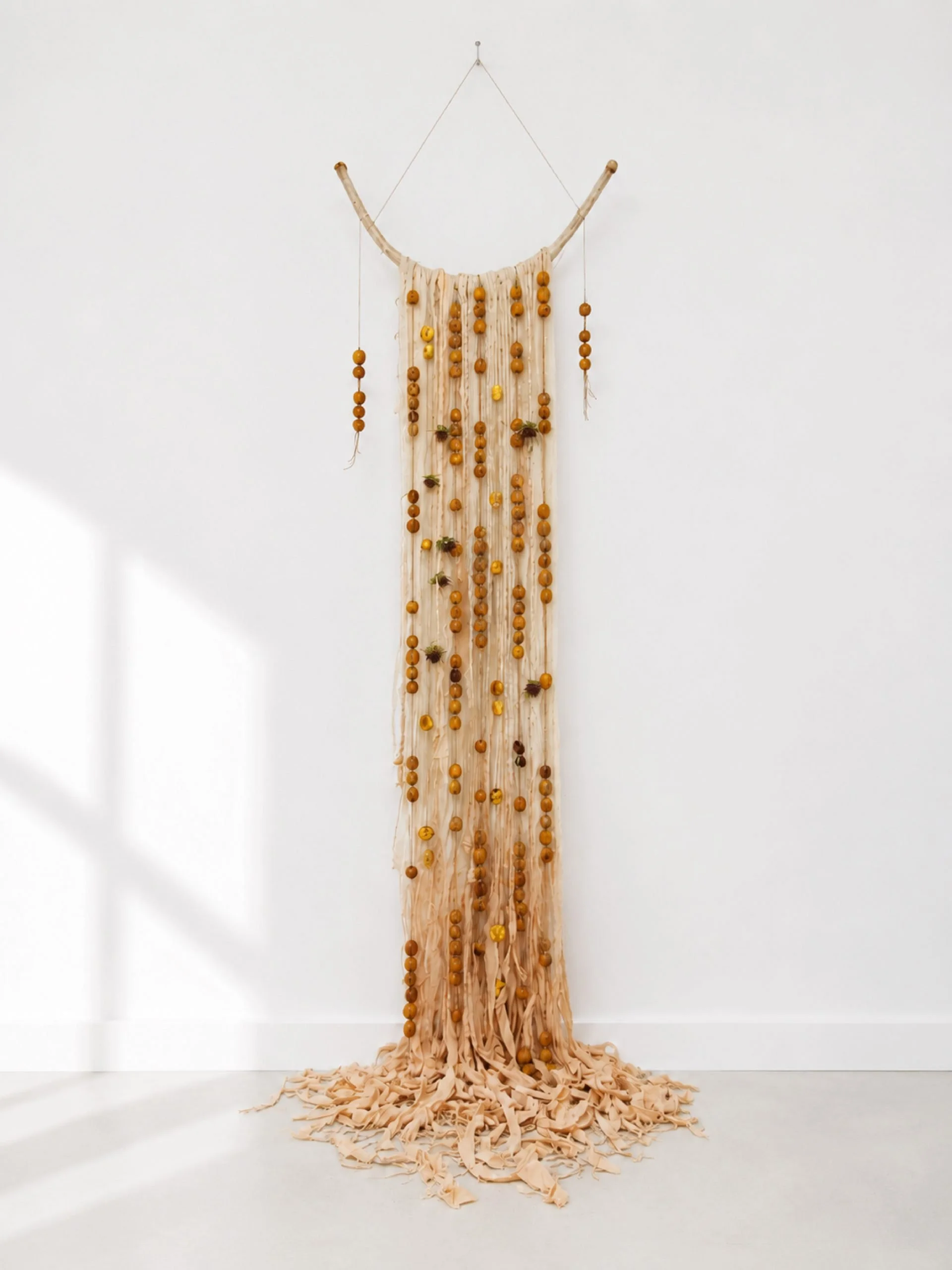
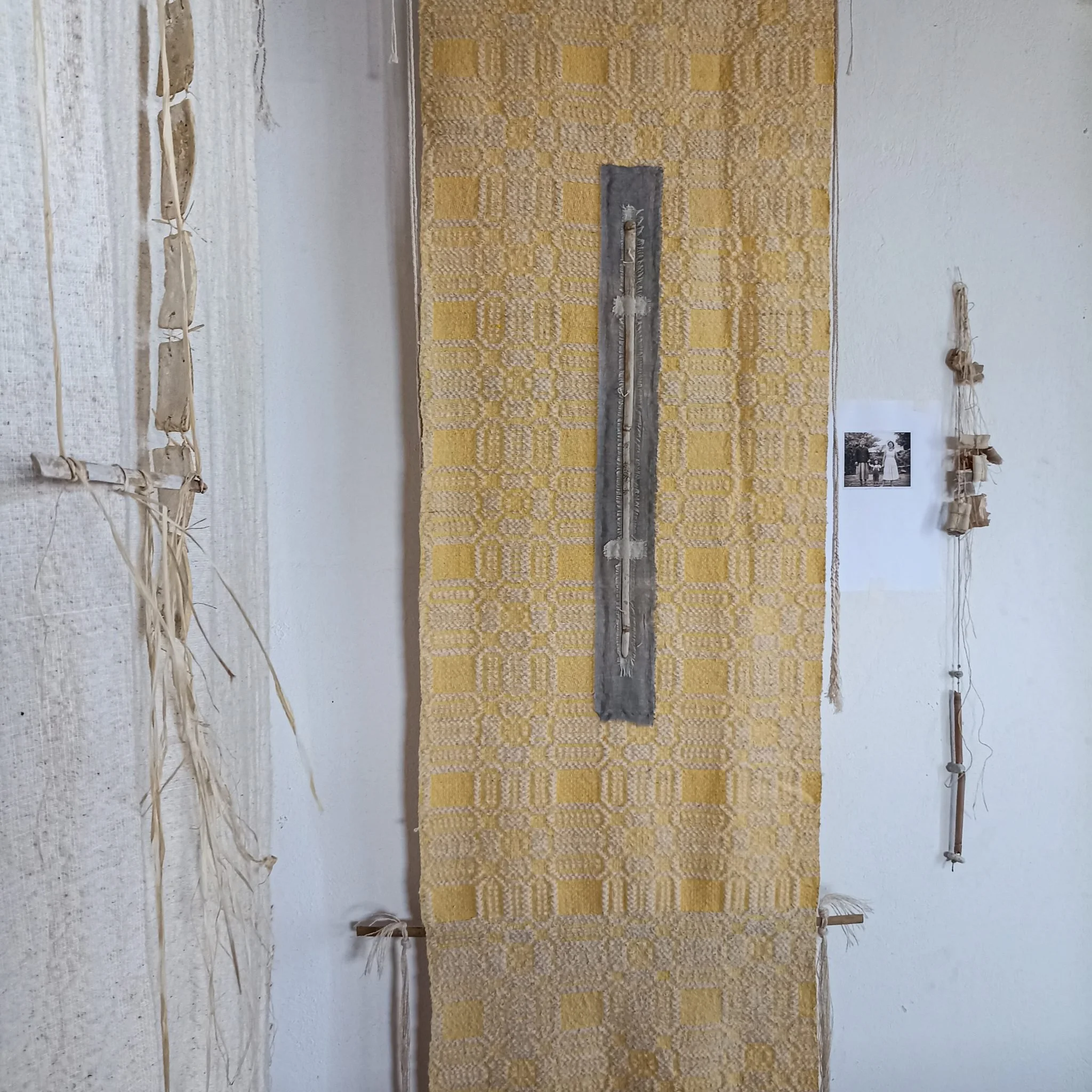
The Inaugural Cycladic Biennale Opened in Naxos
This year, Naxos became the setting for a new contemporary art event with the inaugural Cycladic Biennale, “What Re-mains.” Running from August 20 to September 18, the Biennale brings 66 artists from Greece and abroad into historic and public spaces across the island, using the island as both backdrop and subject.
The exhibition explores how memory is created and how historical narratives take shape, with artists who have developed new work through local archives, oral histories, and social change. Just as importantly, the Biennale is positioned as an effort to decentralize Greece’s cultural scene, moving contemporary art beyond the country’s major urban centers and into the communities and landscapes of the Cyclades. A public program of workshops, talks, tours, and community activities aims to make the event participatory rather than exclusive. Looking ahead, the organizers hope to expand the project to other Cycladic islands, building an Aegean-wide network for contemporary artistic research and cultural exchange.