A roundup of this past month’s art and design news about the makers and creators from Greece and Cyprus
By: Konstantina
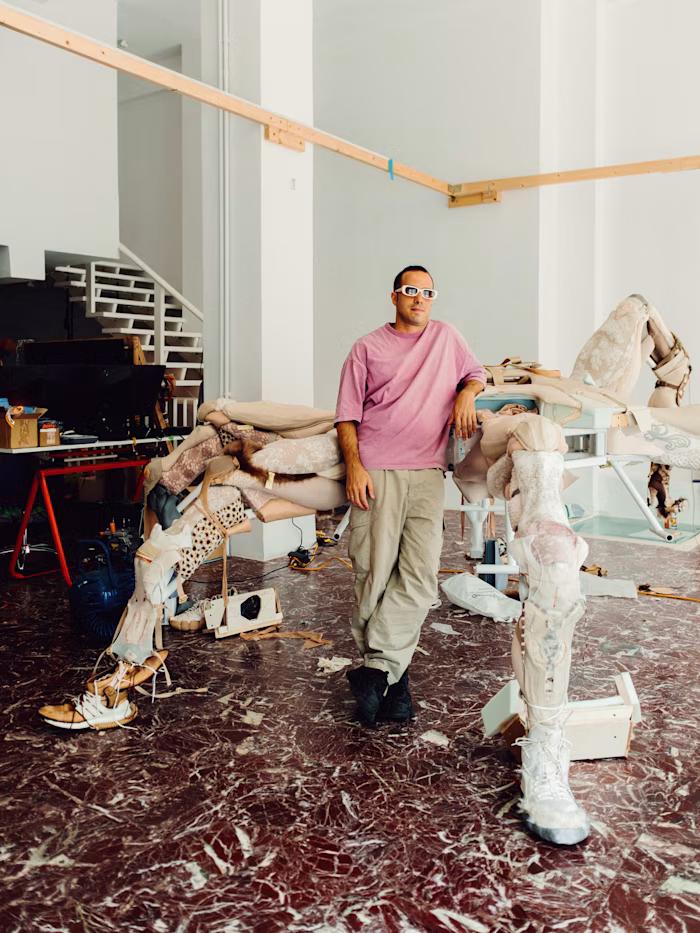
The Financial Times Profiled Artist Theo Triantafyllidis, Ahead of his Frieze London Display
The Financial Times profiled Theo Triantafyllidis, the Greek artist whose new artwork, “Feral Metaverse (Spider),” which just showed at Frieze London after receiving the Frieze Artist Award. Over a video call from his London studio, Triantafyllidis met with writer Tom Faber and spoke about the inception of this new work and his overall approach to life and creativity.
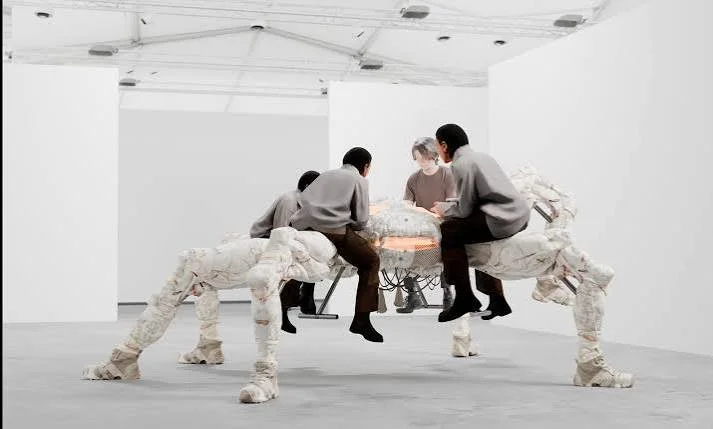
What began as a counter-argument to Mark Zuckerberg’s vision of the metaverse, following the announcement that Zuckerberg was renaming “Facebook” to “Meta,” which Triantafyllidis calls “a total dystopian nightmare,” “Feral Metaverse (Spider)” challenges what the online world might look like if it was built around collaboration and care. His interactive artwork is a multiplayer video game that encourages players to work together to escape a cave.
The characters in the game are animalistic in nature and run on all fours. They scream and huff at each other to communicate. One of the greatest challenges he faces is trying to get gallery audiences to play a video game in the middle in real time. He designed the larger-than-life spider creature made with foam-covered wood and steel to help encourage play. Visitors must climb the large sculpture to play.
In the interview, Triantafyllidis reflects on how games are not fully integrated into the art ecosystem just yet and how challenging it can be for him and other artists to express themselves through this technology. There is an inherent tension, however, between using technology to critique these technological advancement.
Triantafyllidis mentions his upcoming work “Funny Weather” as well, which is commissioned by Factory International, ACMI, M+ and Onassis ONX, and set to debut in November in Manchester. It’s a live simulation that sparks a dialogue about climate change and the erratic weather as told through a sky populated with birds, kites, and textiles.
The Krank Unveiled a Land Installation in Corfu Reminiscent of a Large Scar
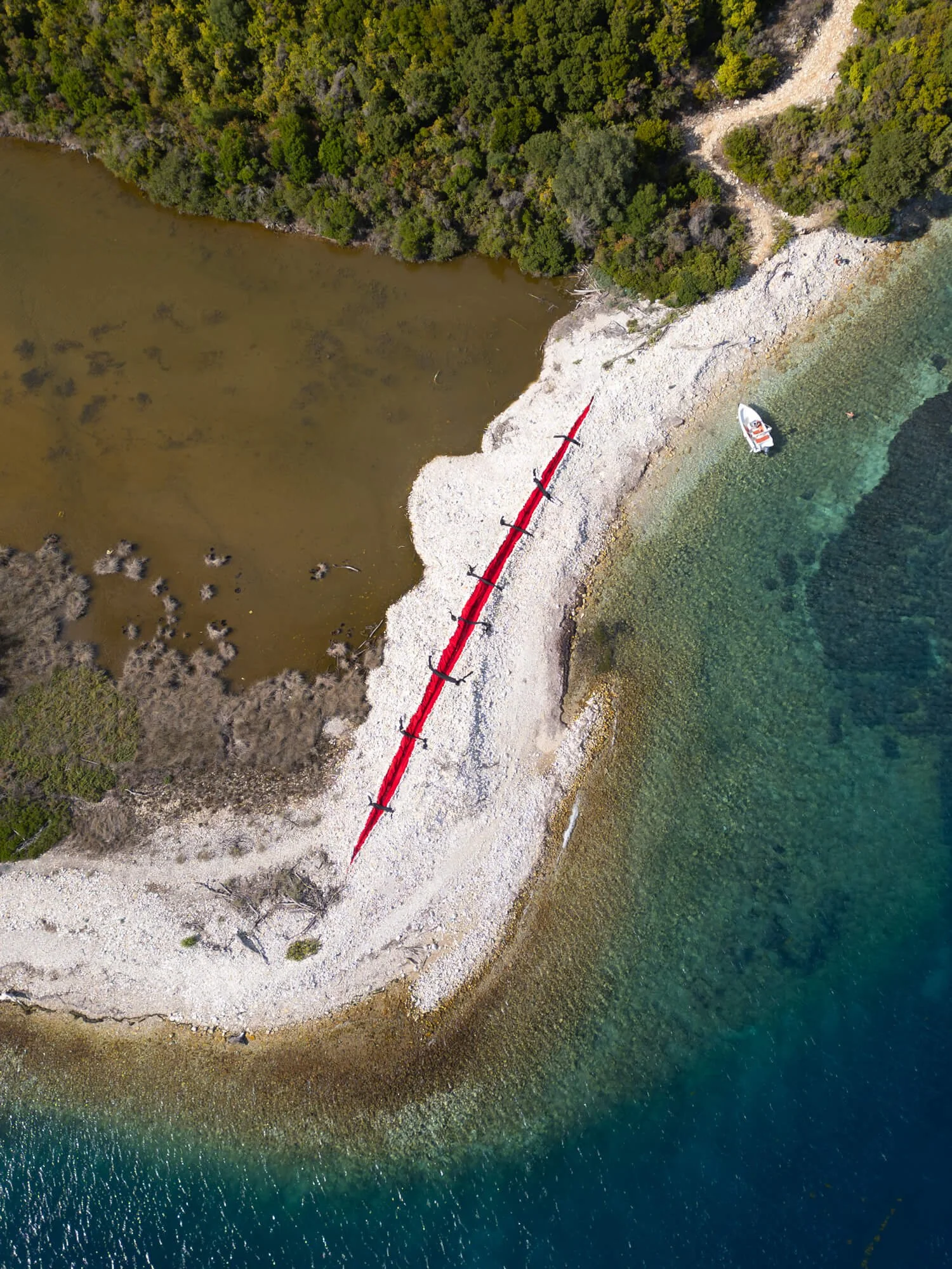
In Corfu’s Erimitis coast, artist The Krank presented “Wound,” a temporary installation that measures 50-meters-long and addresses the marks left by human intervention to the landscape. The artwork follows a fourteen-year-long journey to protect the area after a 2012 state-led redevelopment process. While construction for a five-start hotel and marina started in 2021, the plan was never completed. It’s now controlled by a new investment firm, but there is no new master plan.
The land art portrays an oversized red incision appearing to split the land open. Black fabric mimicking stitches connect the two sides. The display showcases the vulnerability of the landscape. The piece was constructed in partnership with the local community and the Save Erimitis initiative.
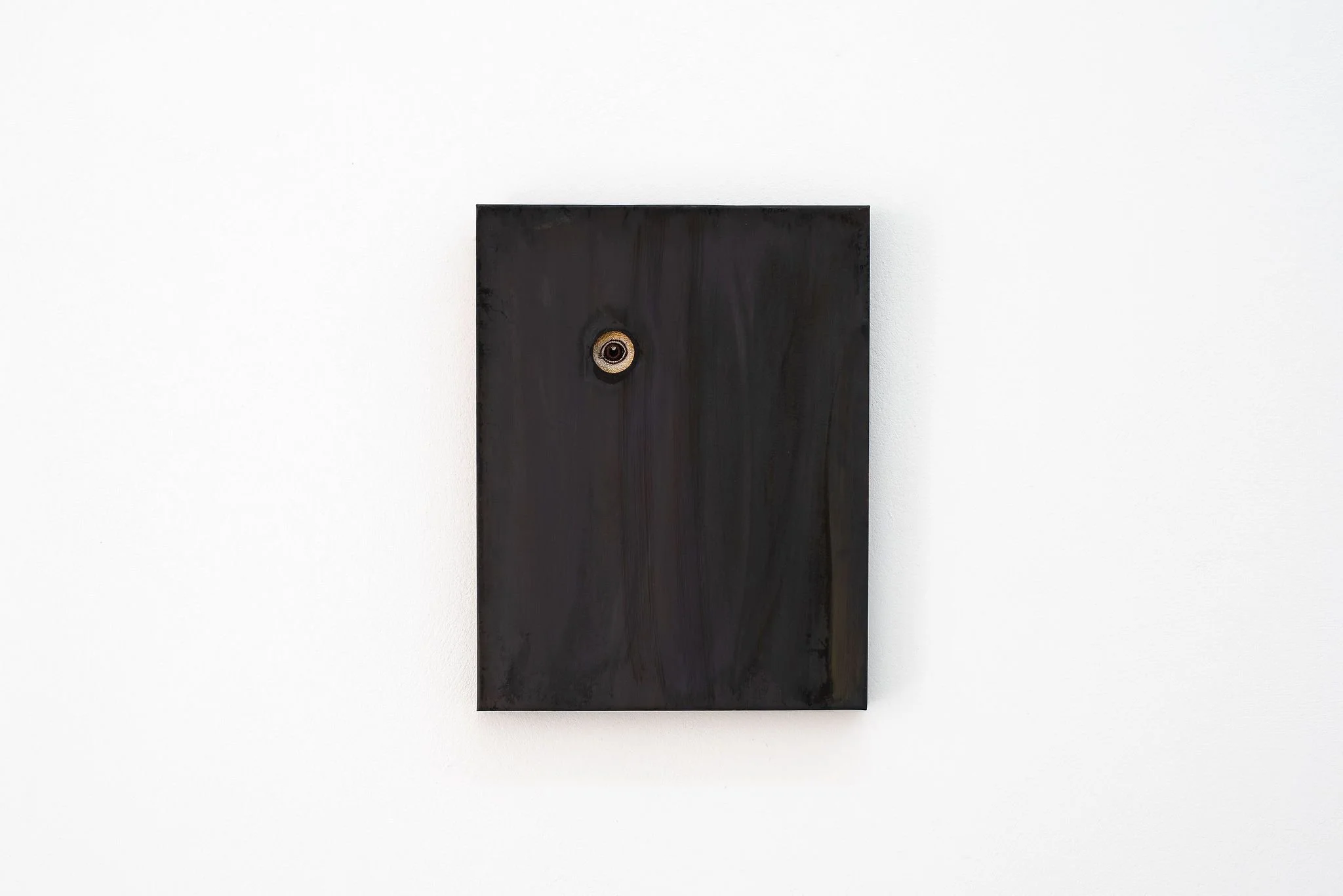
Velychko Gallery Revealed “MURMUR kairos” by Kyriaki Costa as its Inaugural Exhibition
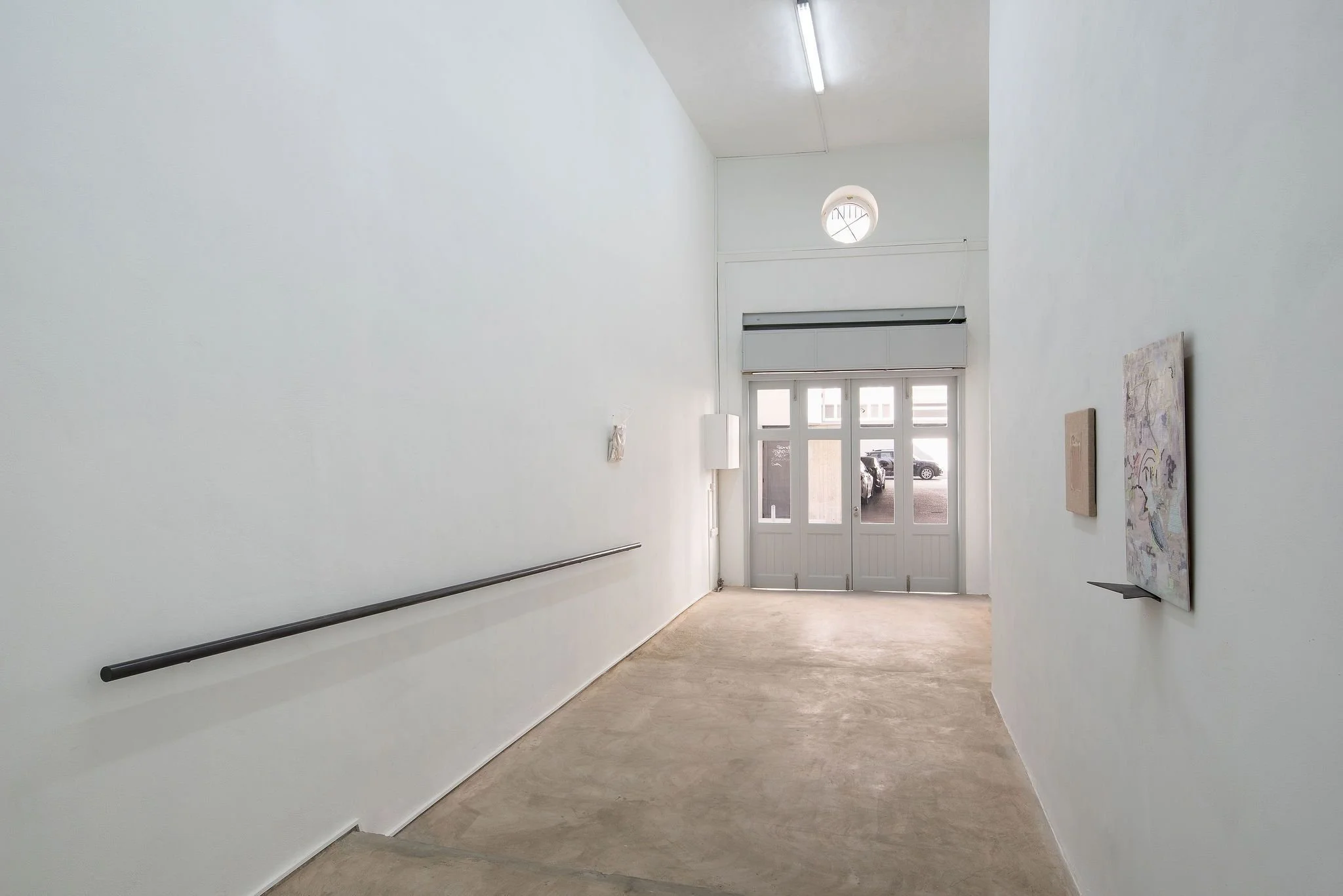
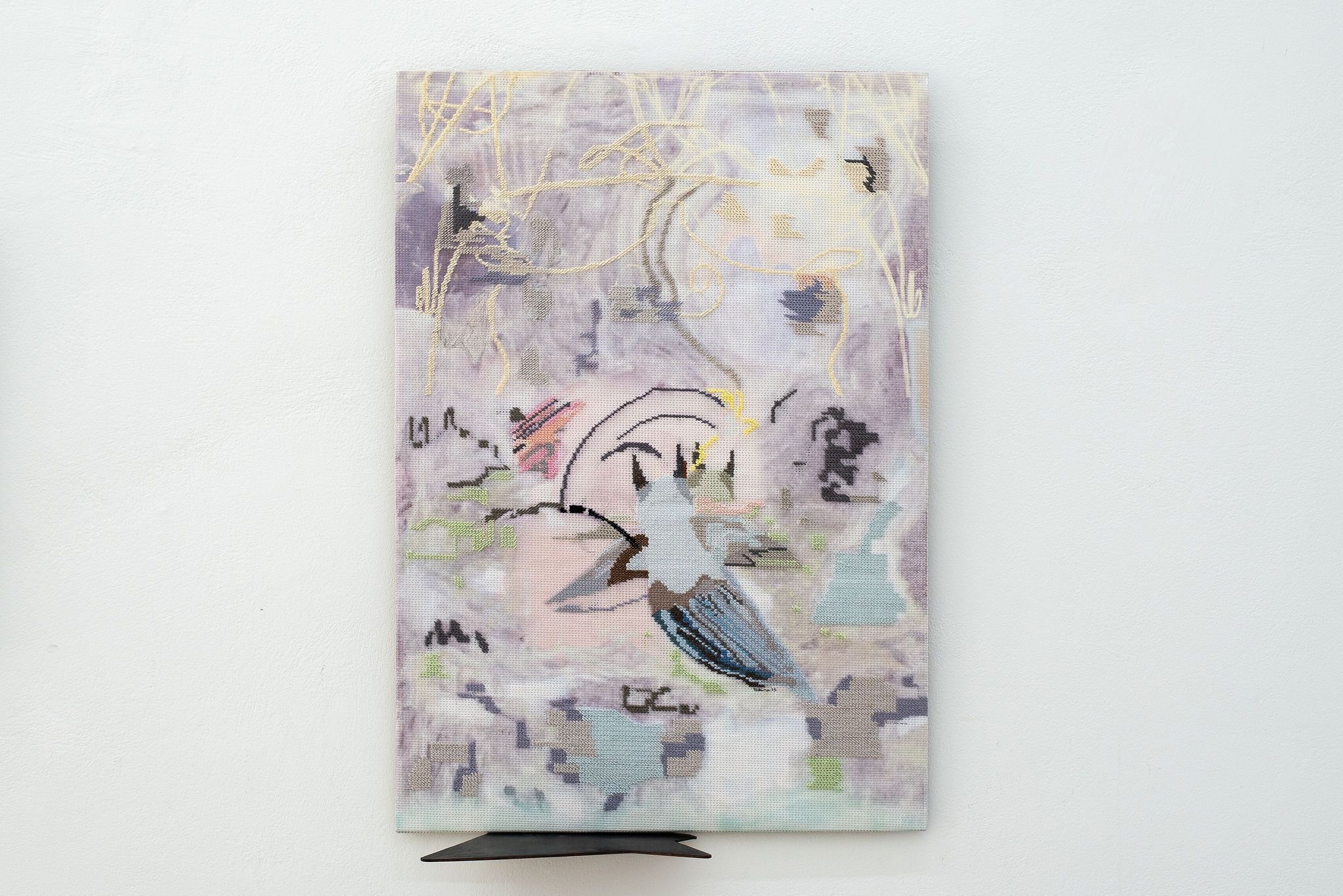
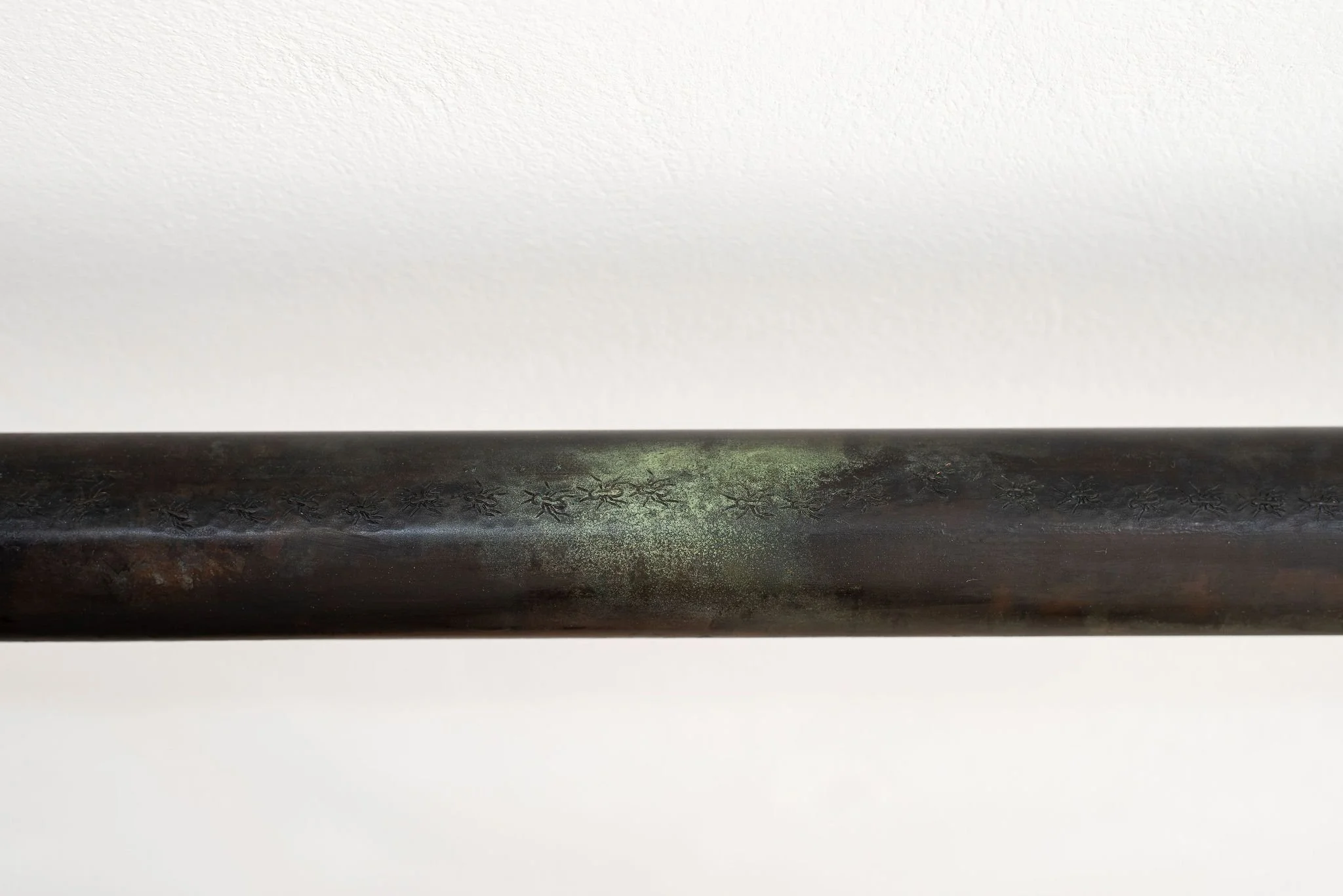
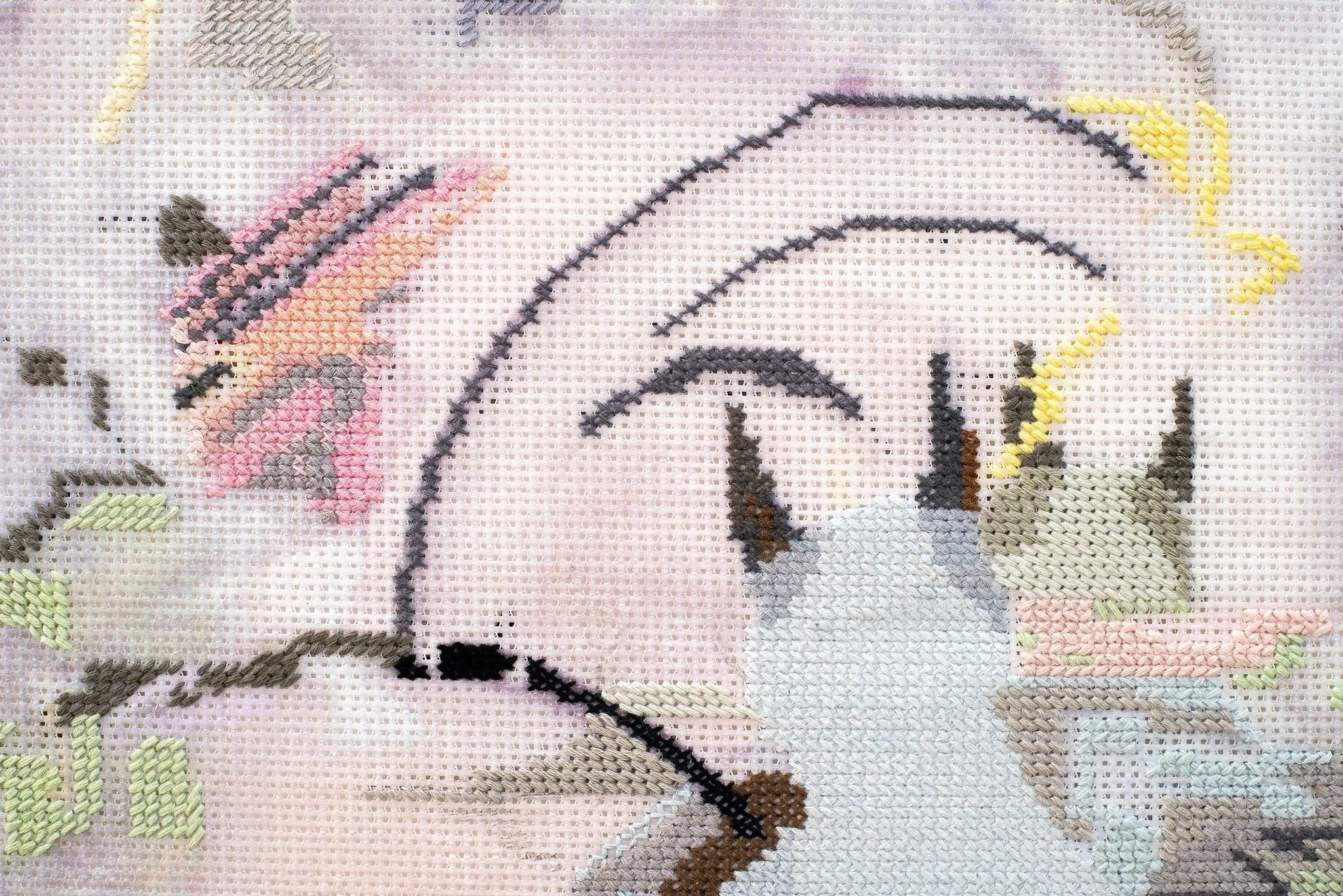
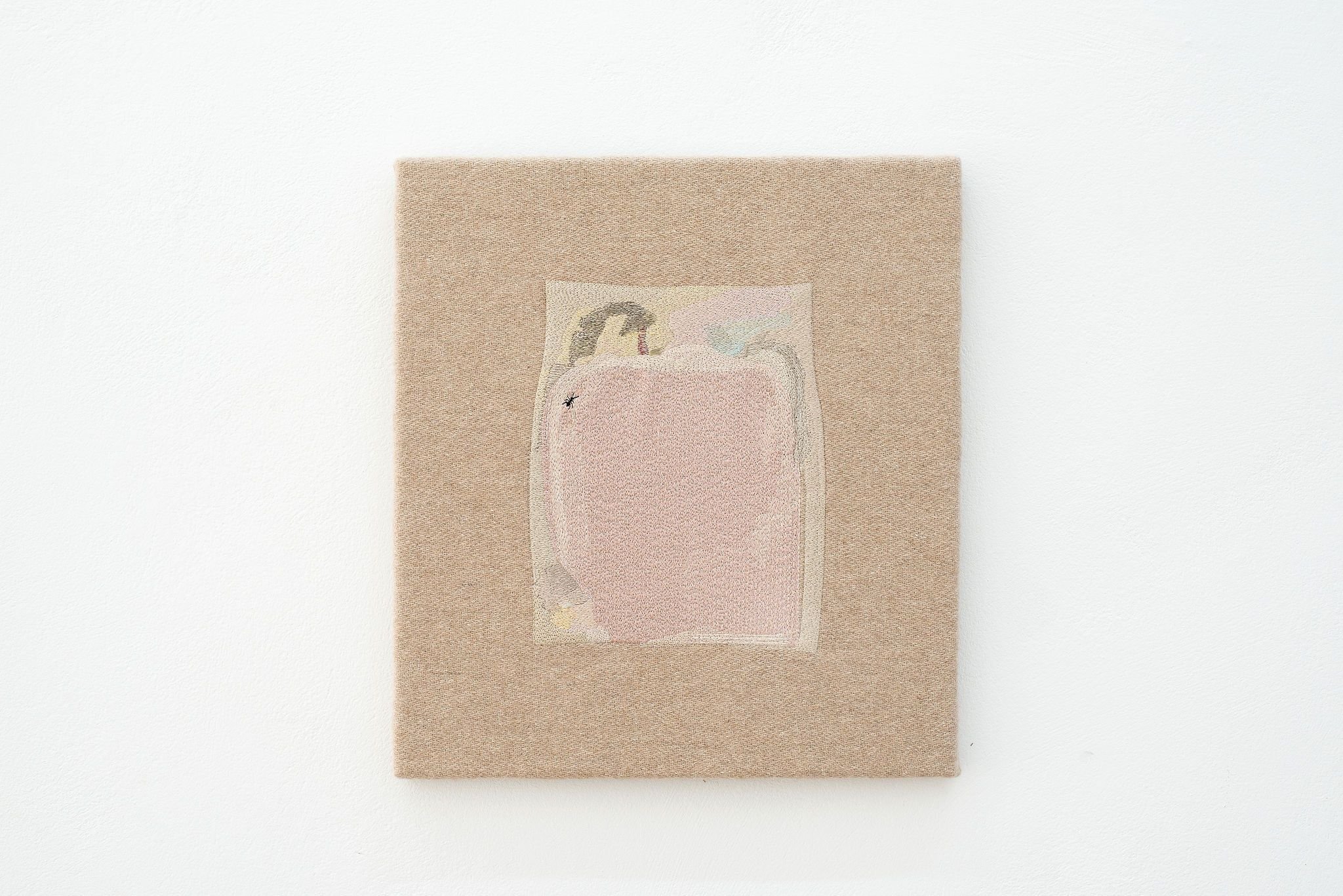
For its inaugural exhibition, VELYCHKO GALLERY opened MURMUR kairos by Kyriaki Costa, a multidisciplinary Cypriot artist and researcher whose practice has developed over more than two decades across art, anthropology, ecology, mythology and social history. Widely exhibited in Cyprus and internationally, Costa creates deeply research-led works that engage with the environmental, social and political conditions of the places we inhabit.
MURMUR kairos presents an entirely new body of work comprising sculpture, embroidery and painting. Taking the idiom “canary in the coal mine” as its point of departure, Kyriaki is showcasing a new body of work comprising sculpture, embroidery and painting questioning the imbalances between more-than-human messengers, exposure and responsibility, and chooses sentinel species to narrate the instrumentalisation of bodies, stories of entanglement, and choreographies of resistance.
The exhibition reflects the direction envisioned for VELYCHKO GALLERY in its new home: bringing together distinctive artistic practices from Cyprus, Ukraine and internationally, and creating a space for critical dialogue around the conditions shaping our lives today.
The exhibition is on view until December 15. Visit is by appointment: +35796855580
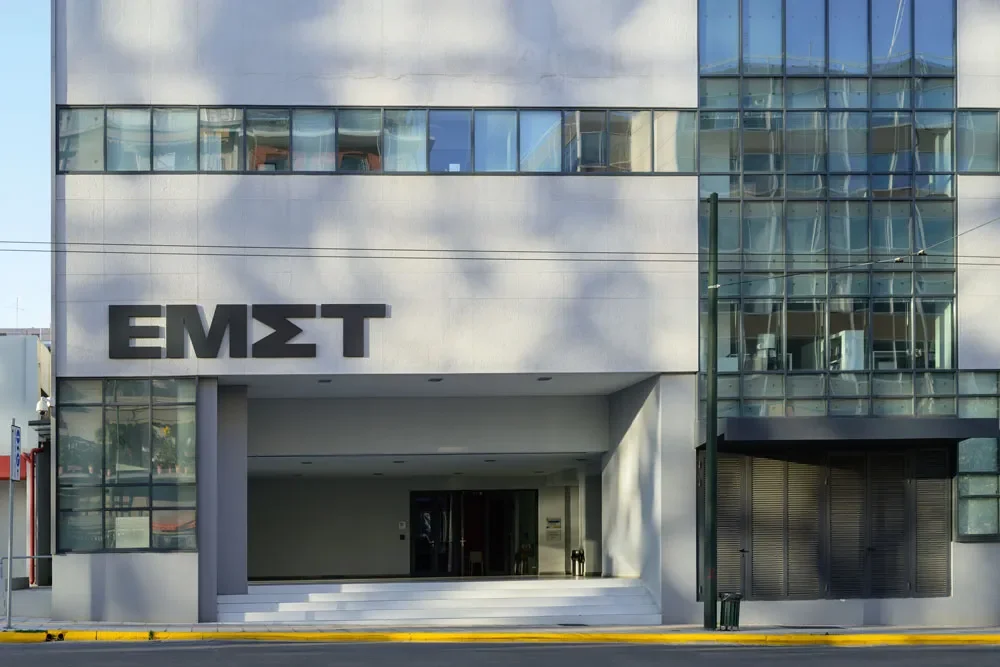
EMΣT Won The European Art Museum Award for Social Impact
This year, The National Museum of Contemporary Art Athens (EMΣT) won the European Museum Academy Art Museum Award. This honor recognizes institutions that place art in innovative contexts to address the latest social issues. Democratic and human values are at the core of the award, and the international jury makes their selection based on how social justice, participation, inclusion, gender equality, racial justice, community building, sustainability, and resilience drives new museological ideas.
Winning the awards affords EMST strong visibility in the global community and highlights the social role it plays in sparking dialogues around pressing issues, ultimately helping to attract new audiences and visitors.
“Quality of production, originality of thought and a heartfelt belief in making a positive impact in everything the museum does in recent years helped EMΣT stand out in a highly competitive field of candidates,” Samuel Gallacher, chair of the award jury, said in a statement.
Since its founding in 2000, EMΣT occupied numerous locales in Athens including the Athens Concert Hall, Athens School of Fine Arts, Athens Conservatory, and various public spaces for the first 15 years of its history. In 2015, it transitioned to its permanent location: a former brewery. Its exhibitions have included solo exhibitions on Jannis Kounellis, Yang Fudong, Lawrence Abu Hamdan, Tala Madani, and Sammy Baloji, and an exhibition cycle asking “What if Women Ruled the World?: The museum also houses permanent collections that weave sociopolitical struggles in Greece with those in South Africa, the Middle East, and elsewhere.
“Making of a Goddess” Exhibition Opened at the Ashmolean in Oxford
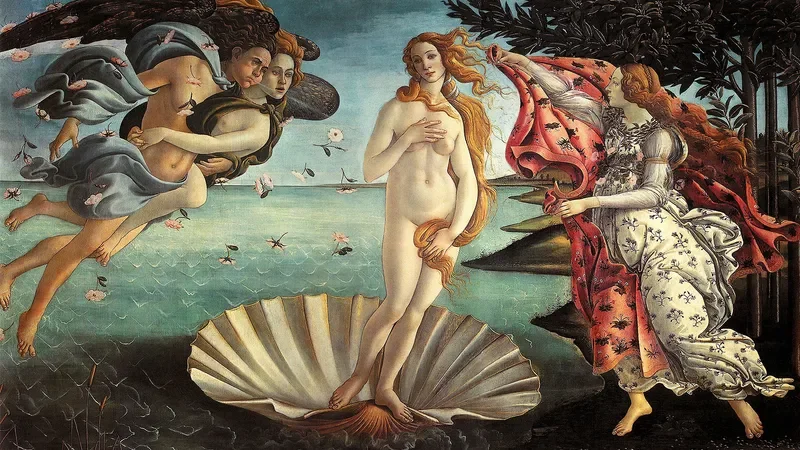
A new exhibition at the Ashmolean museum in Oxford – “Making of a Goddess” – explores the world of the Greek Goddess Aphrodite. Bringing together archaeology, sculpture, painting, contemporary art and fashion, the exhibition traces Aphrodite's journey through the ancient Greek and Roman worlds, Renaissance Europe, and into the present day. It uncovers the myths, images, and ideas that transformed an ancient deity into one of the most recognisable figures in Western culture.
Featuring over 150 objects spanning more than 5,000 years of history, this major exhibition offers a fresh perspective on how Aphrodite's image has shaped changing ideas of beauty, love, femininity and desire, and why she continues to captivate the world today.
In writer Matthew Wilson’s report of the exhibition in BBC, he dissects the allure around the ancient deity that has captivated the world for more than 5,000 years. He notes that in her early years, artists did not depict her naked in form or in provocative poses. Praxiteles's Aphrodite of Knidos (c 350BC) did just that and shifted her public persona. His piece was the first completely nude work of a woman in ancient Greece. While the original sculpture cannot be located, researchers understand what it looks like because of copies from Roman sculptures, like the Capitoline Venus (c 160BC). Before Praxiteles's nude depiction of the deity, only male figures were shown undressed.
“Celebrating physical male beauty through nudity was perfectly normal from the 7th or 6th Century BC onwards," said Anja Ulbrich, curator of the Ashmolean exhibition. So, it seems Praxiteles chose to do the same for female physical beauty.
The exhibition explores these nuances and unknown nuances about Aphrodite including what else she is known for and her participation in the Trojan War.