Rites, Rituals, and Returns
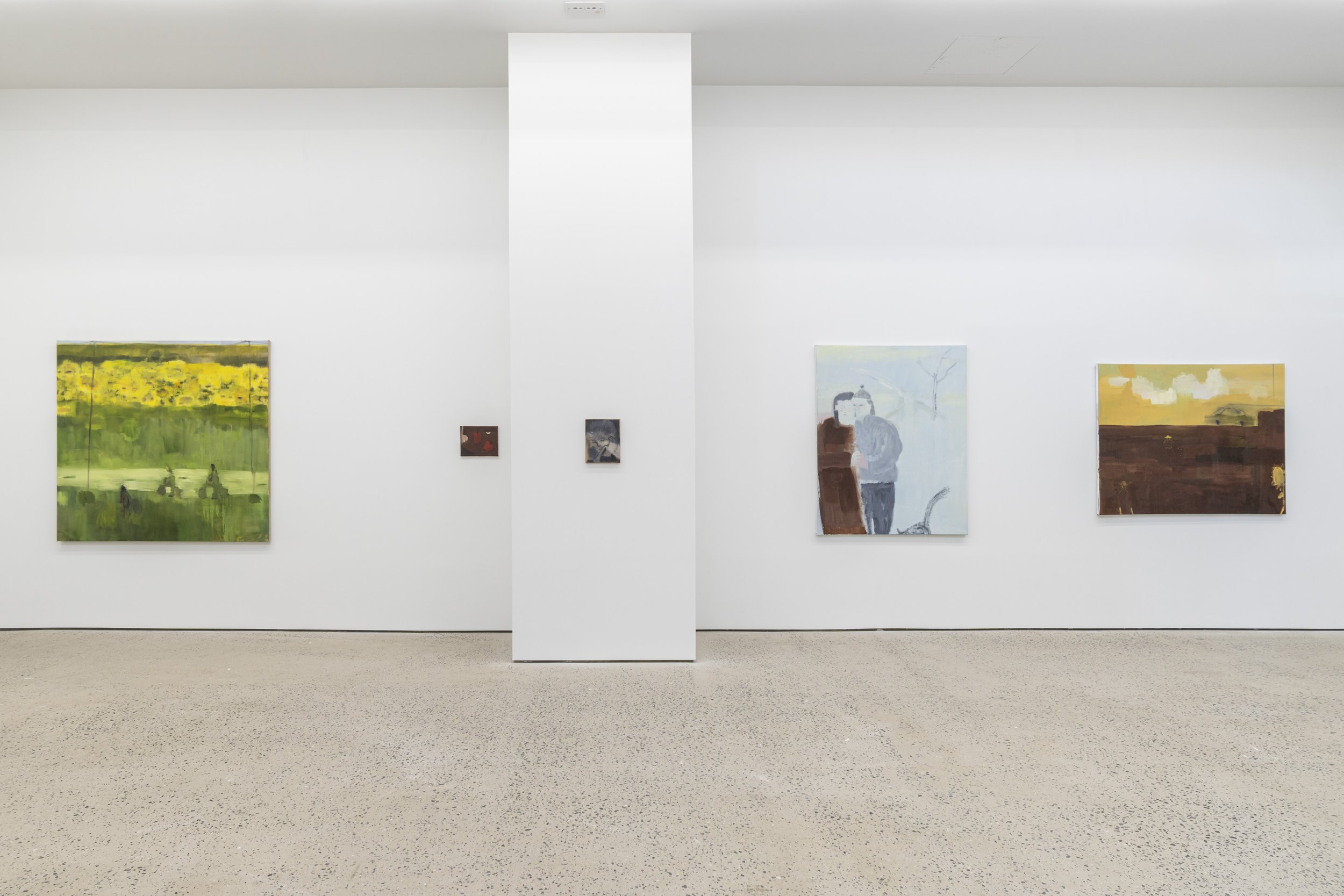
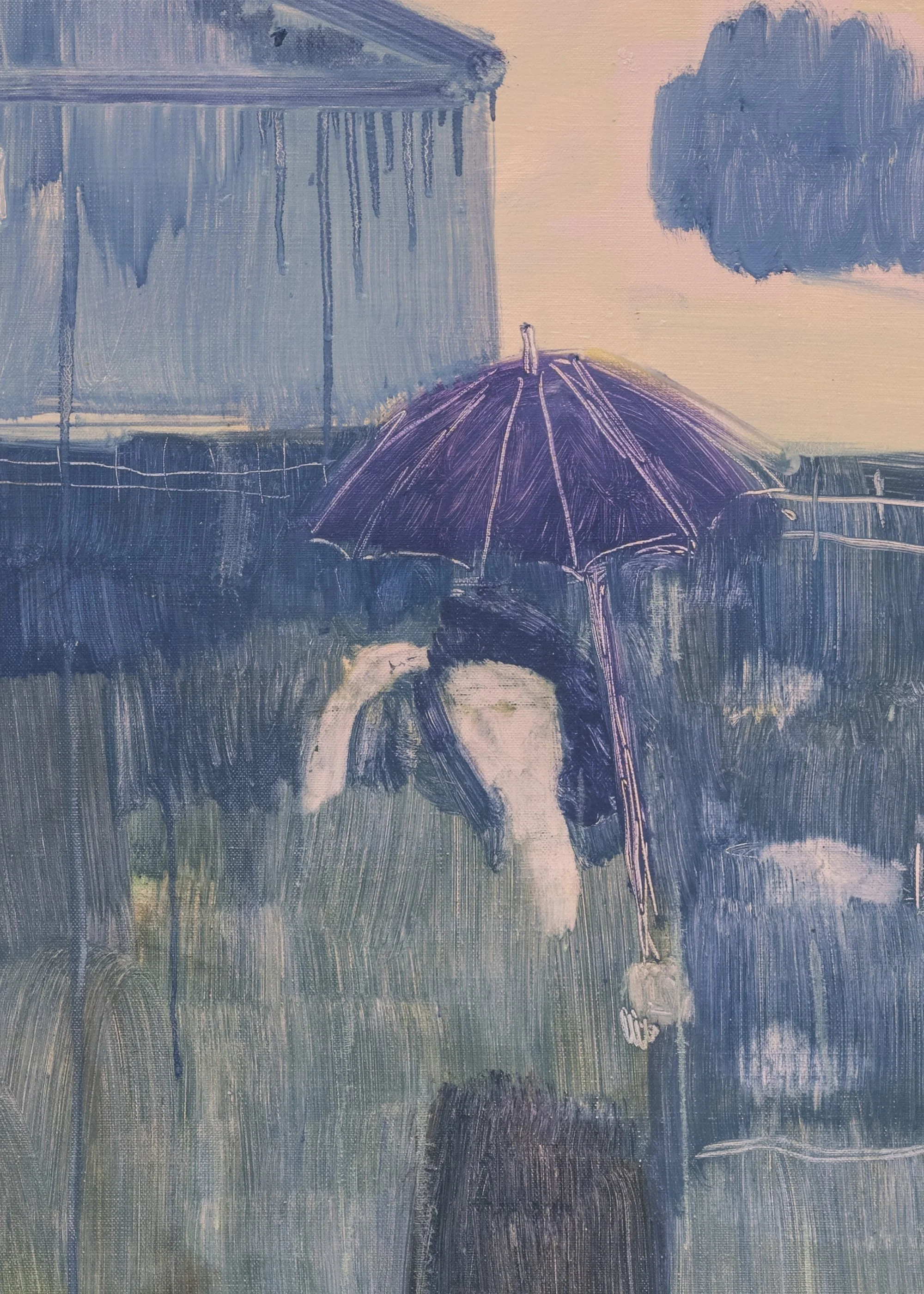
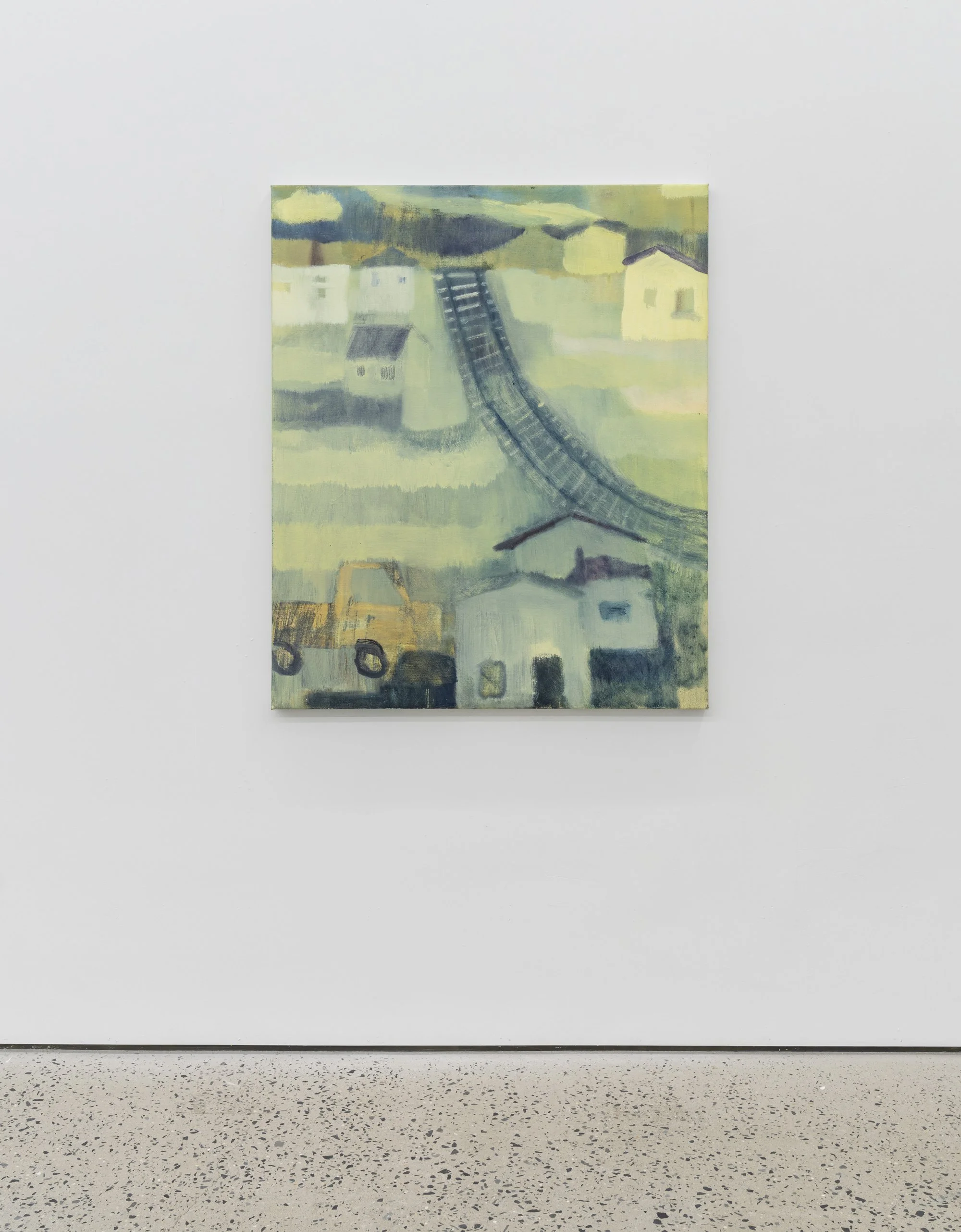
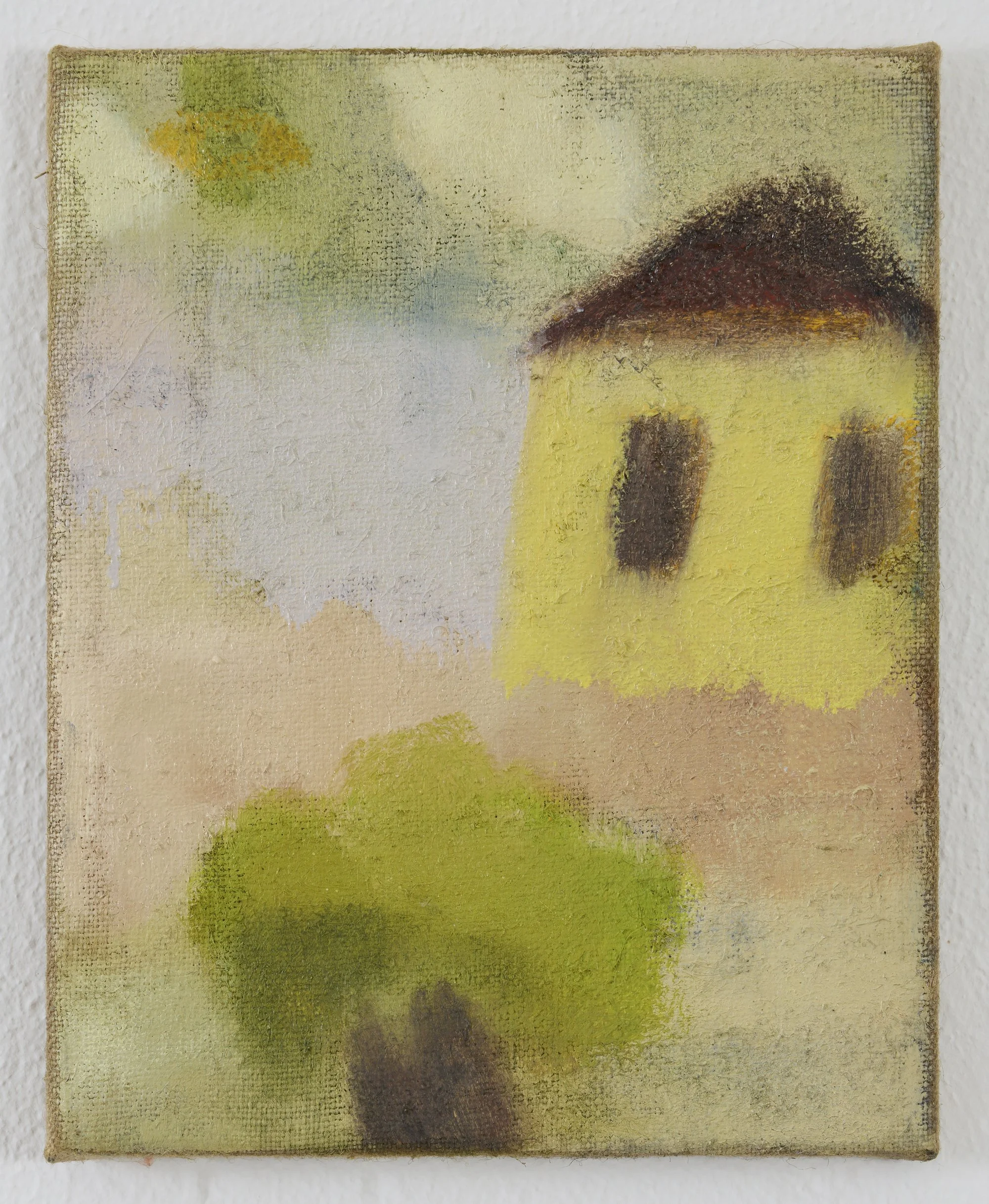
Athens-based artist Ioanna Limniou debuts her first major exhibition in the United States with a solo show at Swivel Gallery. Entitled “Road Trip,” the exhibition trails Limniou’s journey from Evros, her hometown in northern Greece. On her journey, she captures the natural landscape — fields, riverbanks, and border roads — as well as the people who inhabit them — the walkers, workers, families, and friends. Everything is in motion and all of Limniou’s canvases tell stories about her identity, her history, and the place she calls home.
The exhibition is open until January 15, 2026 at Swivel Gallery at 555 Greenwich Street in New York City. It is curated by Nicolas Vamvouklis.
January 2026 - No. 14
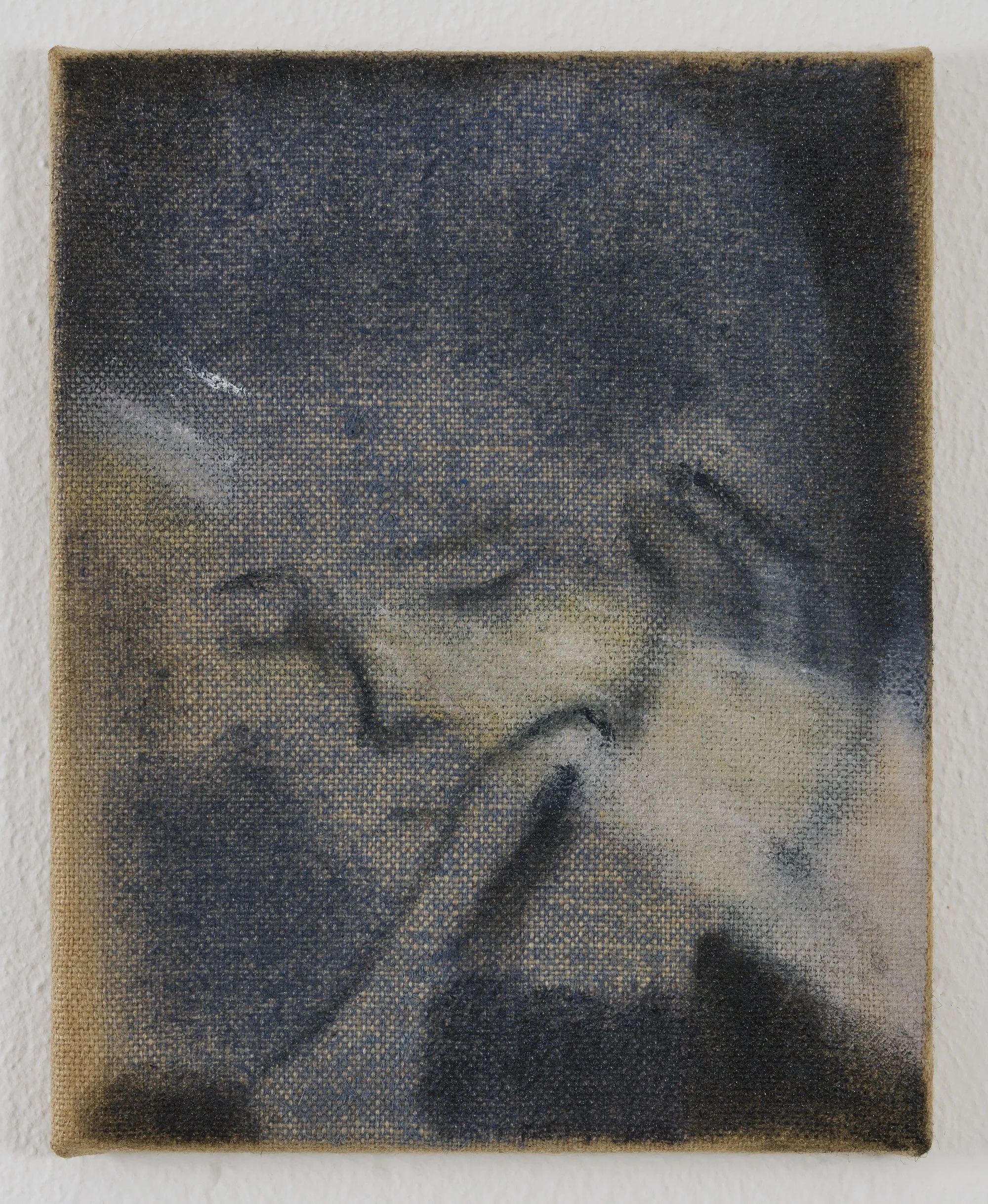
This is your first major presentation in the United States. How does this moment feel and why was Swivel Gallery the right fit to bring your work to life?
It’s a big moment for me to be honest. When your art takes you places, it means people outside of your circle are connecting to it. It also feels great when an artist and the gallery have the same vision and work towards that goal together, which is why I want to thank Graham Wilson and all Swivel team for making this show come true.
How has creating this new, deeply personal body of work influenced your sense of identity and belonging, if at all?
I think it kind of works the other way round. The sense of identity and belonging goes into the work and perhaps this reaches the viewer. When I look back at the work it can give me insight about myself, but at the end of the day the work must stand on its own, without me. I was just an observer of those moments.
Evros is both your point of departure and a recurring presence in these pieces. How has returning to this place over time reshaped your relationship to it and influenced your artistry?
When I go back to my hometown, I see the changes more clearly than if I remained there full time. Evros has a hidden beauty that used to scare me and make me want to leave, but when I left, I missed it and wanted to return and paint it. The area is also changing now more than ever — from natural or man-made causes — and the sweetest of my memories now go hand-in-hand with the sadness of this spoiled nature. Yes, Even in burnt forests and emptying villages, traditions still live on. There is this kind of longing for something not exactly lost, but in the process of being lost. It’s difficult to describe, and for me, easier to paint.
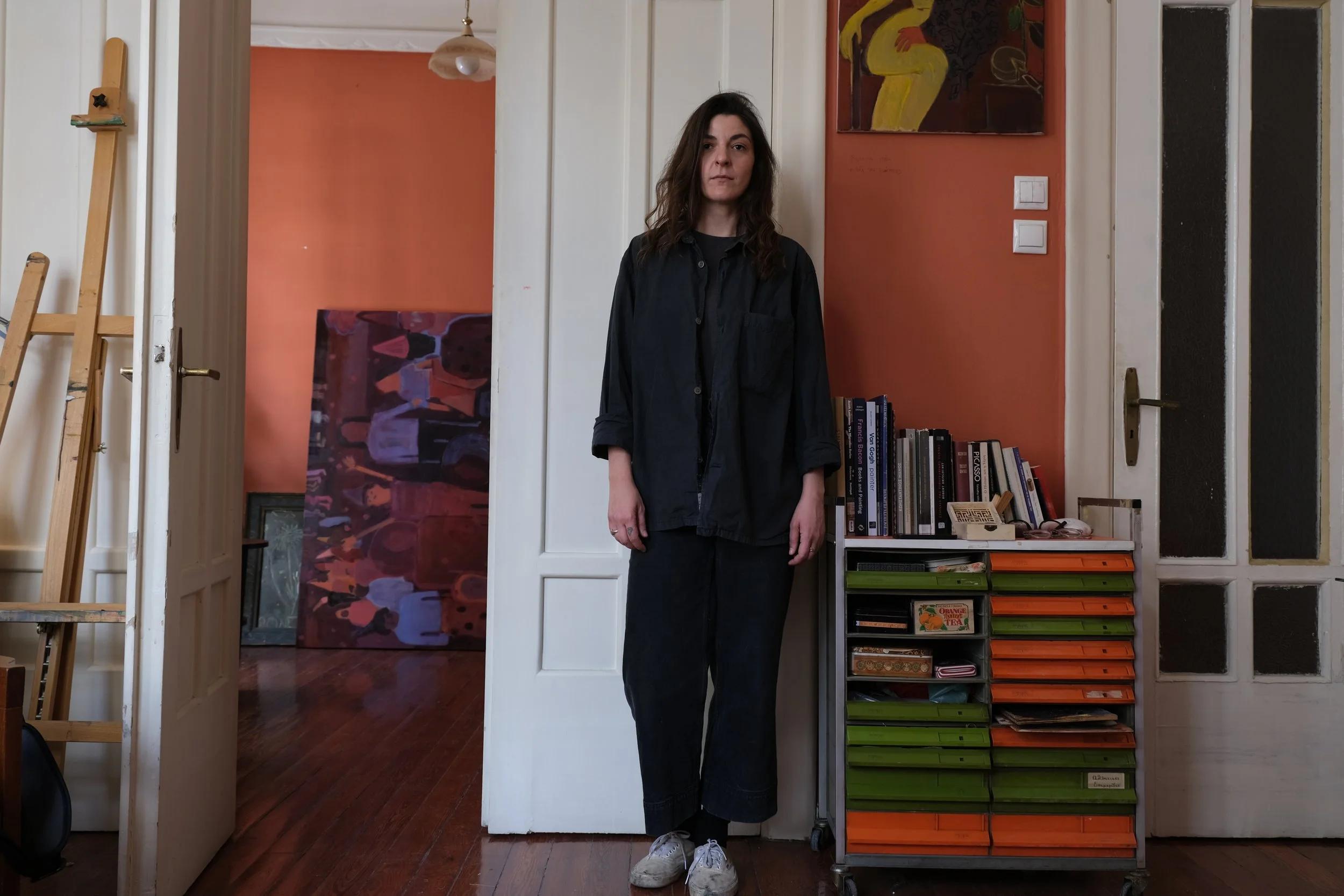
Artist Ioanna Limniou
What personal and anthropological research did you collect for “Road Trip” specifically? The exhibition text says you carry “Polaroids around like souvenirs” — do you capture these images yourself and what do they usually feature?
I took Polaroids of my hometown over the course of a year, and when Nicolas Vamvouklis, our brilliant curator, saw them, he said “Those are your souvenirs!” And he was right, they are objects that I carry around with me as small reminders of my home and the memories I have there.
The randomness of Polaroid photos reminds me of an abstract painting, which is why I love working with them more than anything else. Polaroids might capture a subject such as a tractor or guard tower but — more than anything — they capture the feeling of a moment rather than just the object or scene. Sometimes, light plays with the camera in a way that words cannot describe or that a line can shape. When a Polaroid reveals itself slowly, there is this anticipation, excitement, and sometimes disappointment. I find these exact emotions in the act of painting.
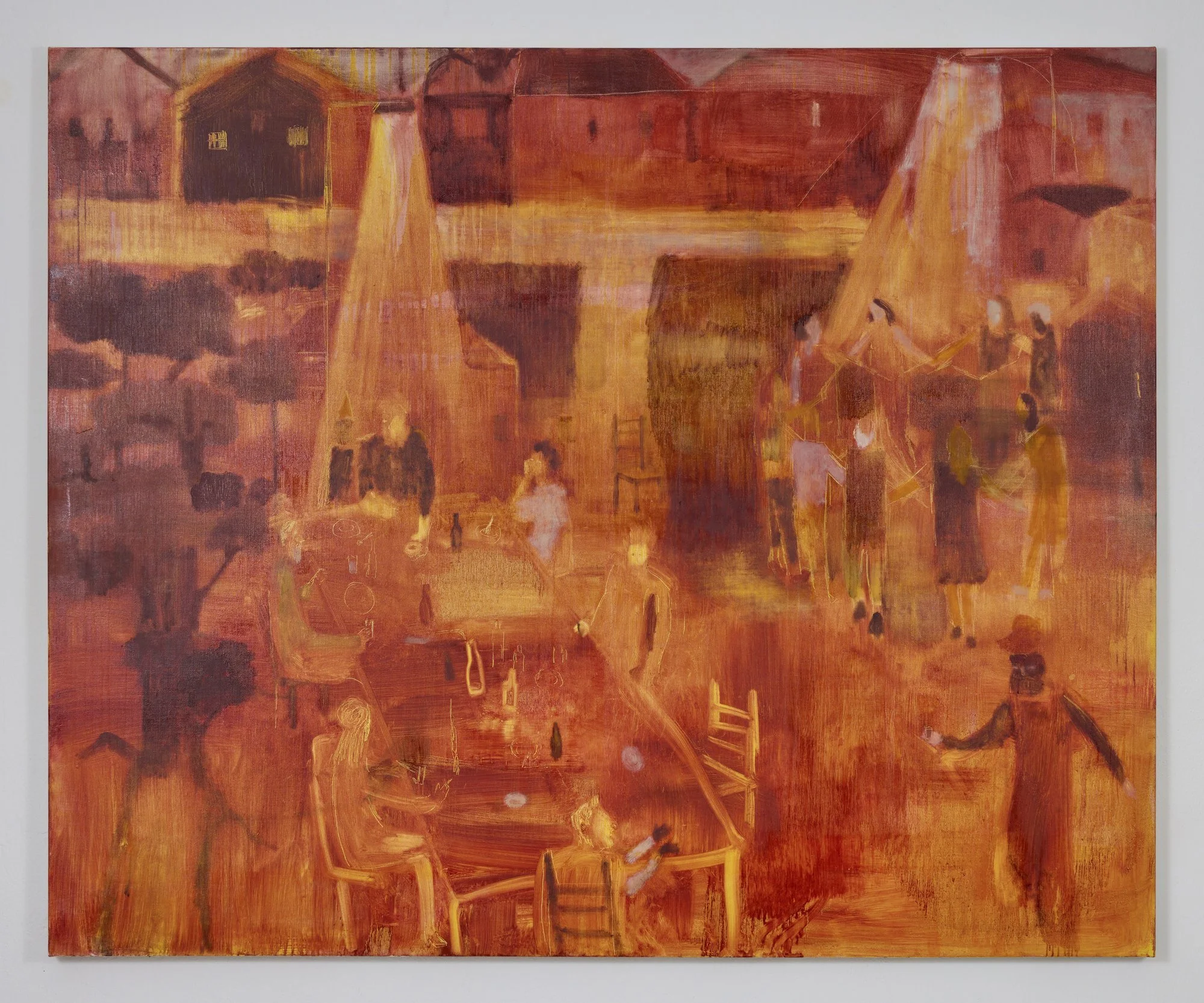
Weaving Hands, 2025
Rituals and collective moments occur in paintings such as Weaving Hands. What role do gatherings, dance, and shared labor play in your life and the vision you reflect back to your viewers?
This is simply Greek rural life. People celebrate saints, names, animals, harvest — anything! — and the corresponding rituals bring the community together.
As a Greek, you cannot avoid these gatherings since they happen so often throughout the year. And, as you grow up in these communities, you learn the myths, traditions and, songs at such a young age. You memorize the footsteps of traditional dances, recite the words of folk songs, learn how to identify the many patterned dresses, and feel the rhythms. This is just our way of life, so it feels natural for me to paint it.
In my painting, I also create these compositions. The canvas becomes a song of patterns, poses, constructions, and shapes. Painting all of this gives me a chance to appreciate it, and perhaps allows others to appreciate what we have as a community as well.
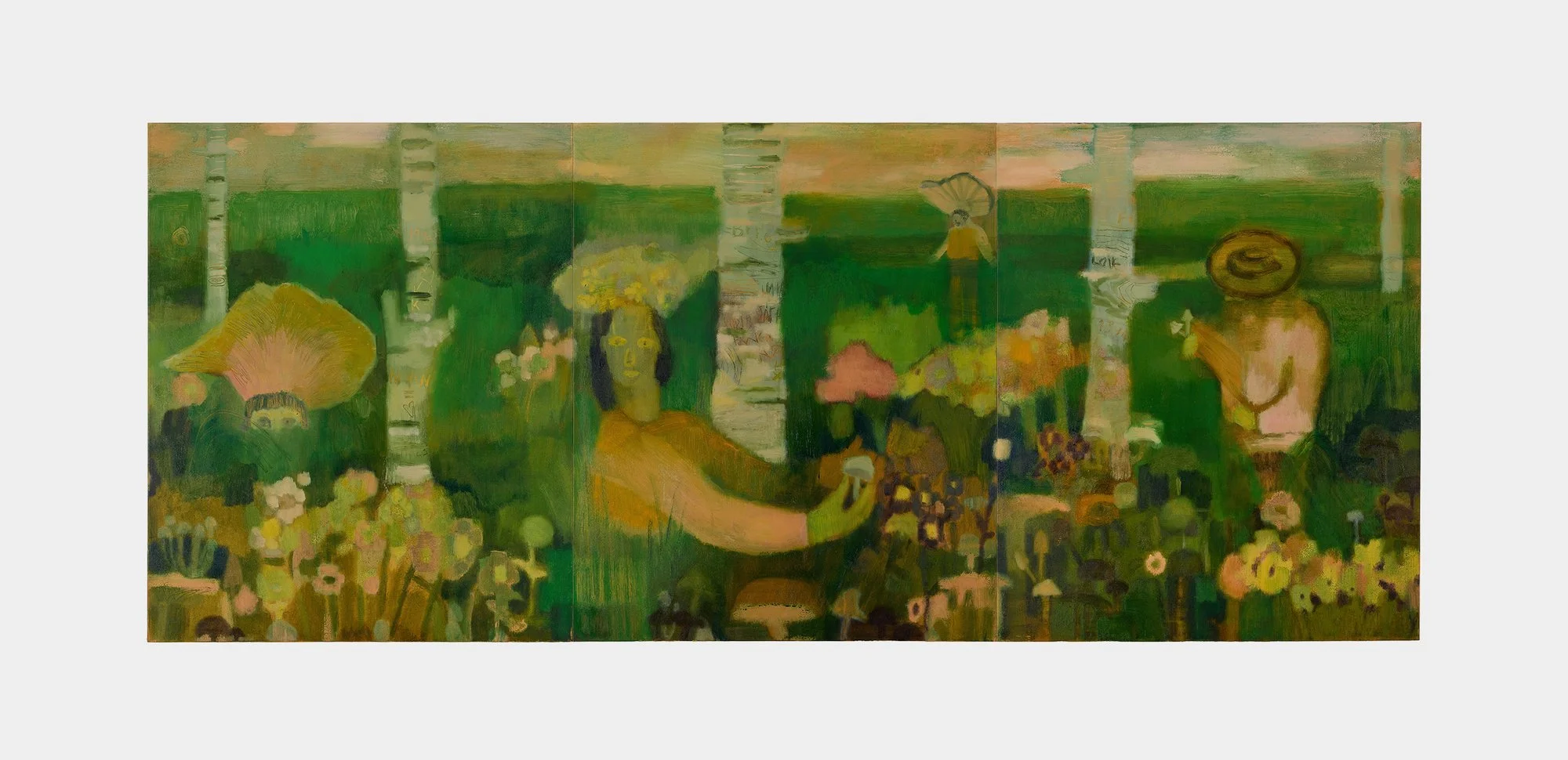
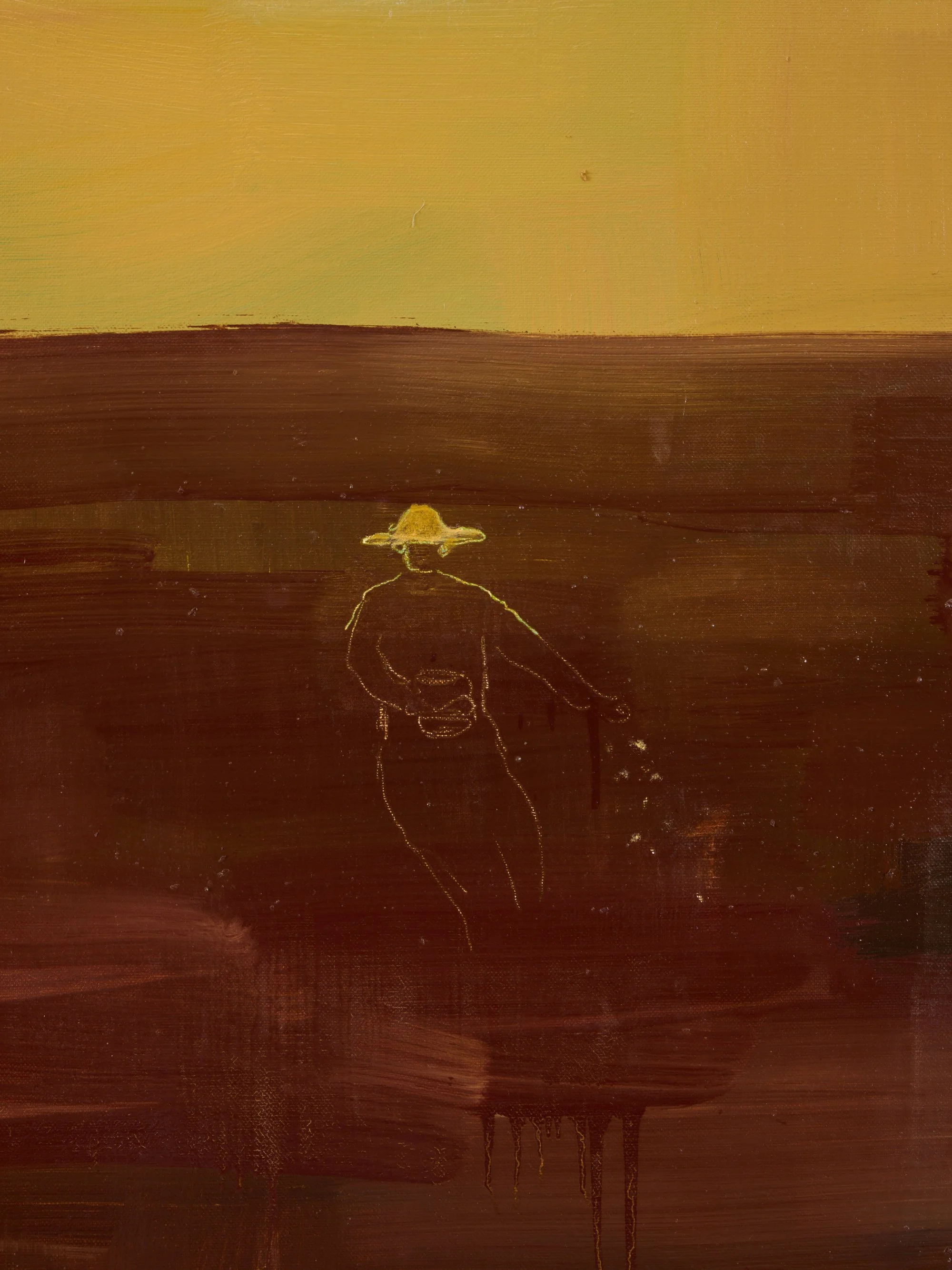
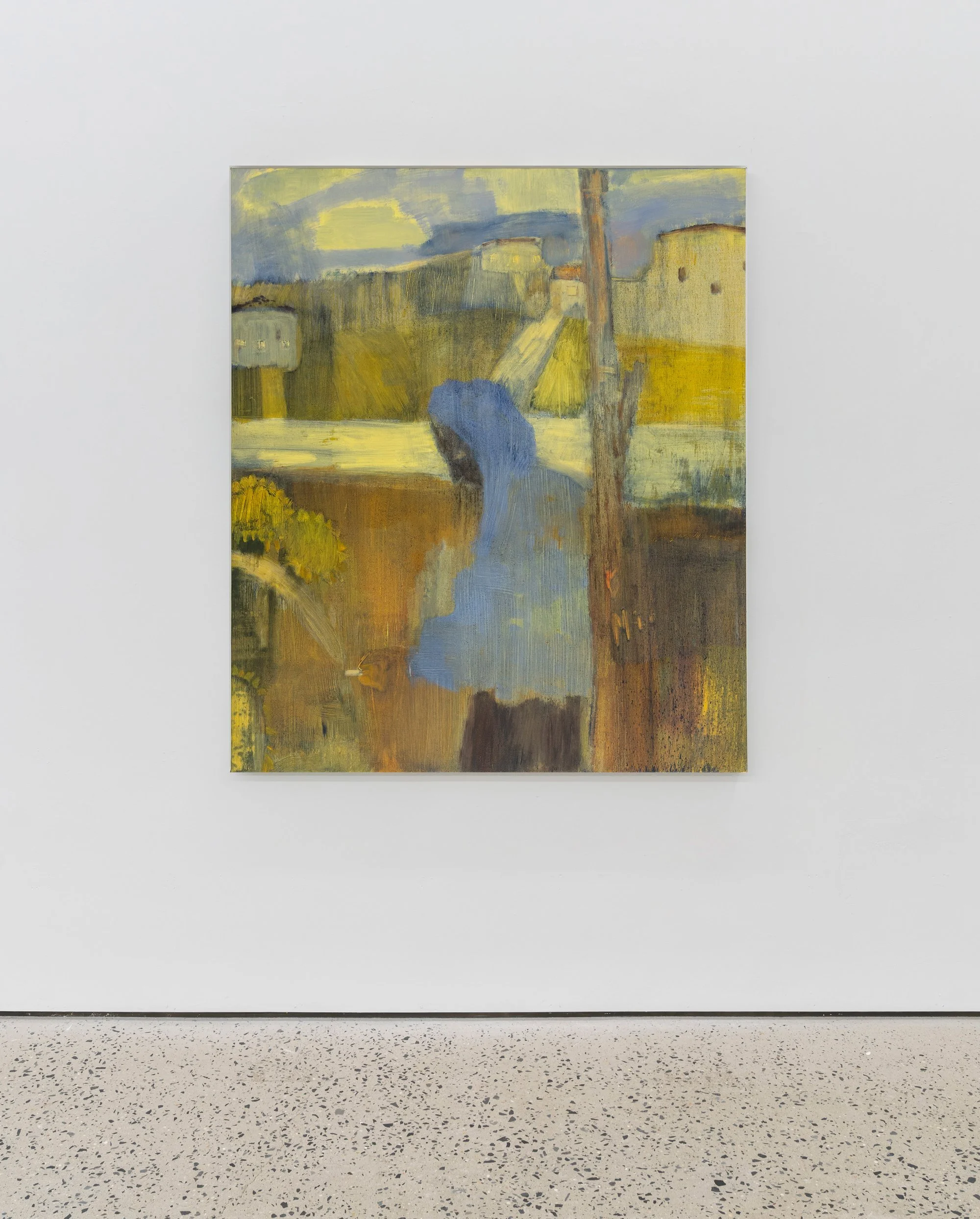
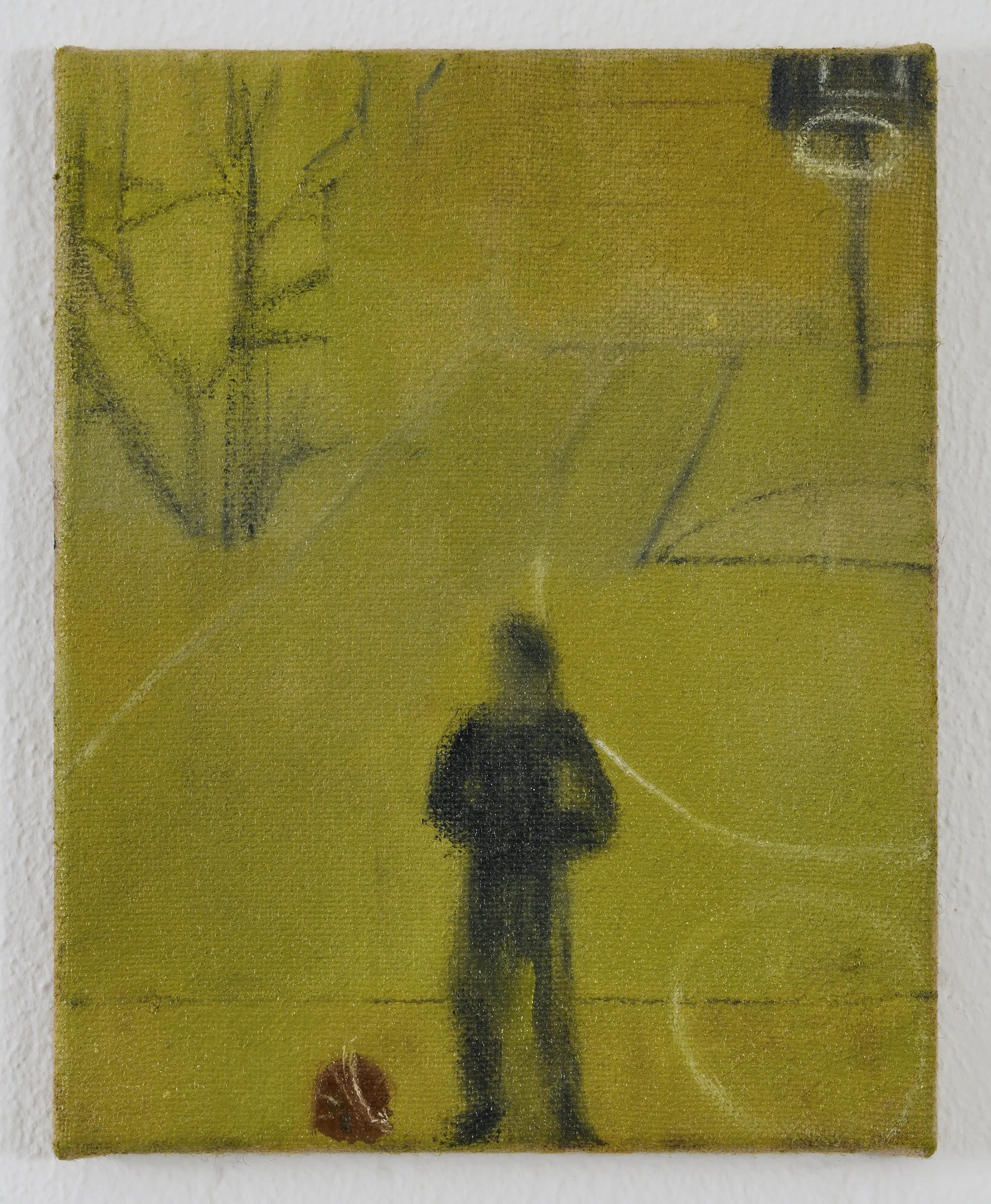
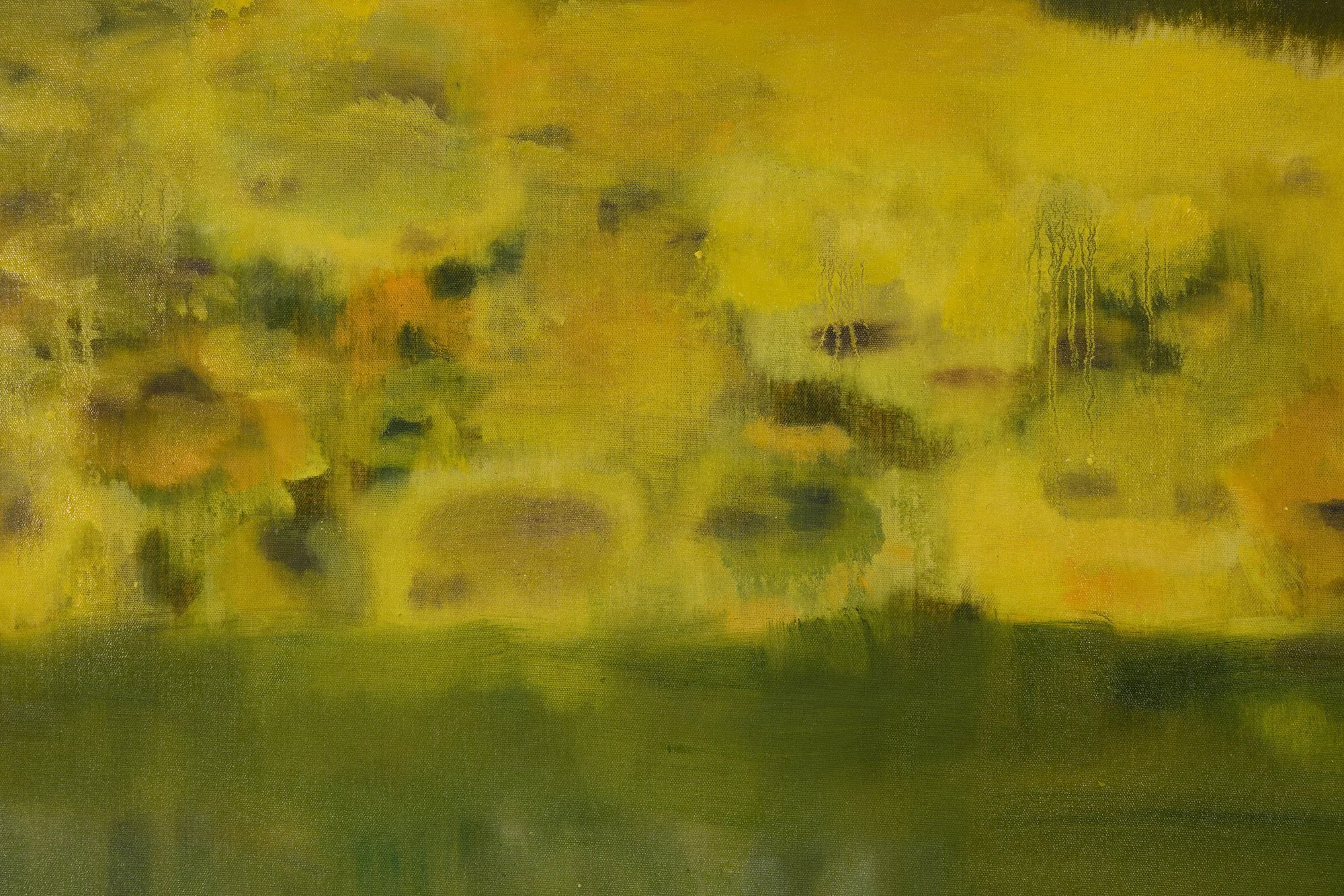
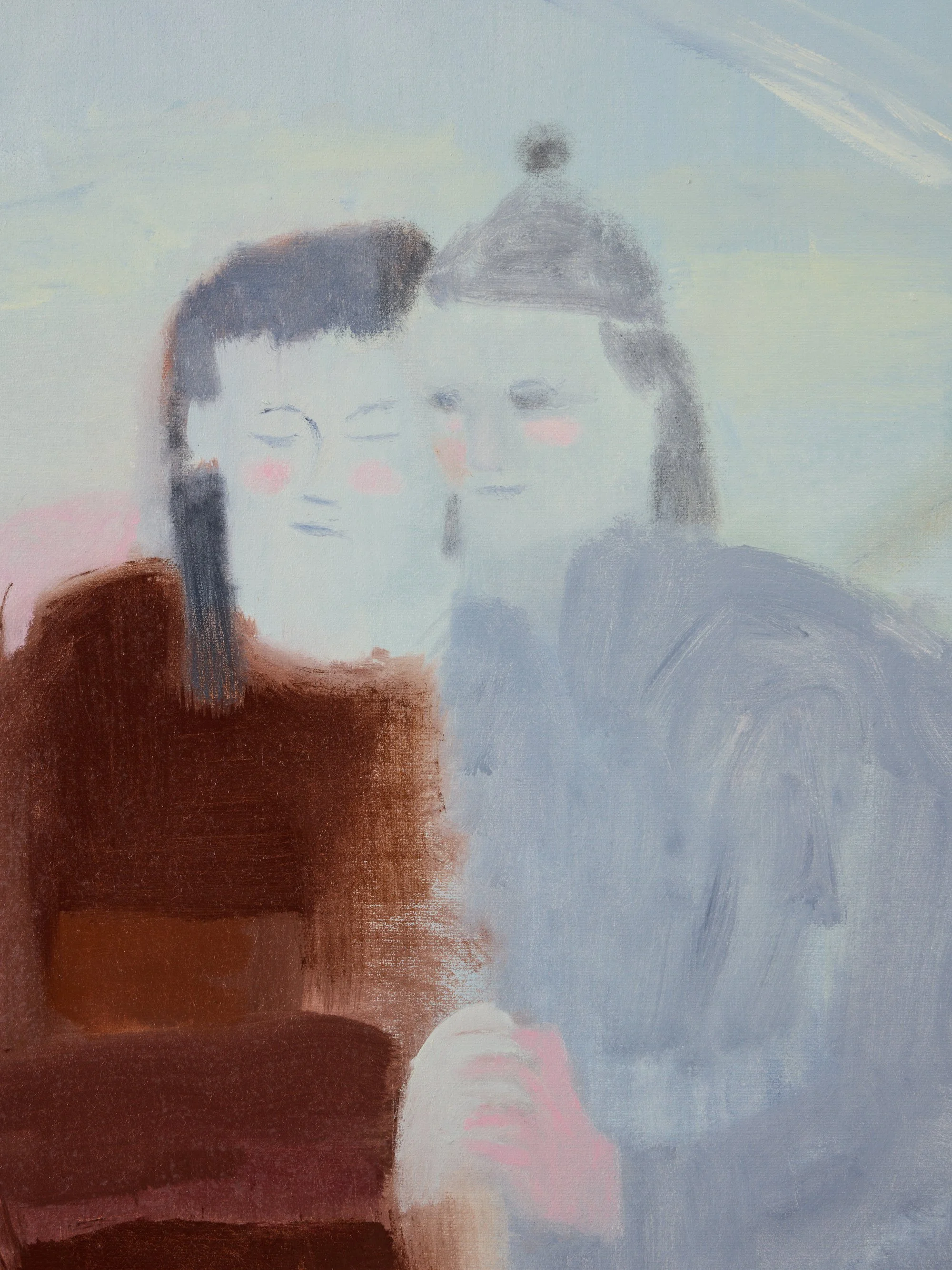
Can you tell us more about the role that movement plays in your work? From something as literal as a bus and tractor to the layered brushstrokes that give way to motion.
I think memories naturally work this way: through them, we get to travel in time. In “Road Trip,” I am not only showing my journey from Evros, but taking one too. Movement might not be something I am really conscious of when I am painting because it seems as though its connected to the way I work where I paint from memory and use Polaroids as references. I think the brushstrokes help convey this lack of exactitude. It’s not precise, and neither is memory.
Your repertoire carries a quiet, compelling power— each canvas feels like the soft imprint of a memory on the verge of fading. How does your technique help create this sense of impermanence?
Nothing is permanent on the canvas until the painting is finished. I might start with one idea but change direction half way through. Through the new layers of paint, hints of the first idea remain. I guess this helps with the sense of impermanence.
Keep up with Ioanna Limnou at @ioanna_limniou
This interview has been edited for clarity.